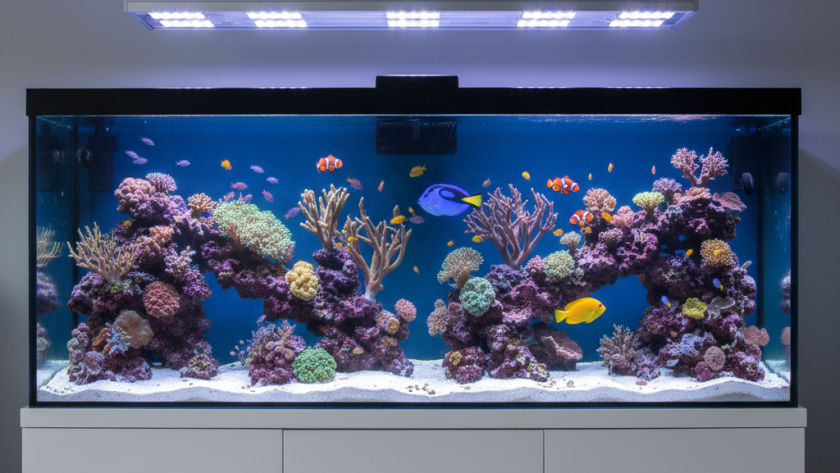
Keeping a planted tank healthy means keeping the substrate clean without disturbing plant roots. This guide explains how to clean planted aquarium substrate safely, gently, and effectively, using simple tools and practical techniques you can follow today.
Why This Happens / Why This Matters
Debris builds up in planted tanks for many reasons. Fish waste settles between gravel or soil, uneaten food can rot, and plant leaves naturally break down over time. Unlike bare-bottom tanks, planted aquariums hold debris more easily because the substrate is deeper and filled with root systems.
If this buildup is ignored, it can cloud the water, trap detritus, and reduce overall water clarity. In extreme cases, it affects circulation within the substrate, making maintenance harder later. Regular light cleaning keeps your plants healthier, prevents gunk from compacting, and keeps your tank looking fresh without uprooting anything.
Tools & Materials List
- Aquarium siphon or gravel vacuum
- Bucket dedicated for aquarium use
- Long tweezers or aquascaping tongs
- Soft brush or turkey baster
- Aquarium-safe scissors (optional)
- Towels for spills
- Replacement water (treated and temperature-matched)
Step-by-Step Instructions
- Prepare your water.
Before vacuuming, treat fresh water with dechlorinator and set it aside. This ensures you can refill the tank immediately after cleaning. - Turn off filters and pumps.
This stops debris from circulating while you work. It also makes the water calmer so you can see where detritus has settled. - Remove loose plant debris first.
Use tweezers or your fingers to lift dead leaves, melted stems, or floating bits. This prevents them from clogging your siphon later. - Start a gentle siphon.
The key to cleaning planted substrate is not plunging the vacuum deeply. Instead, hover the siphon just above the surface. Let the suction pull in detritus without disturbing roots. - Work in small zones.
Clean 20–30% of the substrate surface at a time. Focus on open areas between plants, paths, or corners where waste piles up. Avoid uprooted spots unless necessary. - Use a turkey baster for tight spaces.
For dense carpeting plants or small root-heavy zones, lightly puff water with a baster. This lifts debris upward so you can siphon it from the water column instead of digging into the substrate. - Lightly swirl the top layer in gravel tanks.
If you use gravel, gently stir only the uppermost layer with your fingers. This releases trapped debris without breaking roots or exposing nutrient layers. - Avoid deep vacuuming if using soil.
Soil, aquasoil, or enriched substrates should not be disturbed. Simply hover the vacuum above the surface and let detritus rise naturally. - Trim plants while the siphon is active.
If you’re cutting stems, do it now so the siphon instantly removes floaters and loose pieces. - Refill the aquarium slowly.
Pour fresh water into a plate or your hand to avoid disturbing the substrate. Turn the filter back on after the water settles.
Natural / Simple Alternatives
If you want a low-maintenance approach, there are natural helpers that reduce debris without much work. Shrimp, snails, and bottom-dwellers constantly graze on leftover food and biofilm. Dense carpeting plants also trap less debris if trimmed regularly.
Another method is increasing water flow. A gentle current pushes waste toward an easy-to-clean corner and reduces dead spots. Lastly, performing small, frequent water changes keeps the tank clear even if you clean the substrate lightly.
Troubleshooting
Water still looks cloudy.
Check whether you disturbed soil or fine particles. Let the filter run with extra floss, or perform a small follow-up water change.
Plants keep uprooting.
Siphon more carefully near delicate root systems. You can also anchor stems deeper or use tweezers to replant them firmly.
Detritus keeps piling in one area.
This usually means low flow. Reposition the filter outlet or add a small circulation pump.
Vacuum keeps clogging.
Large plant leaves or moss strands can block the tube. Clear it between zones and trim overgrown areas more frequently.
Prevention / Simple Maintenance Tips
Do smaller, consistent cleanings instead of deep ones. Feed lightly to avoid excess waste settling in the substrate. Trim plants weekly so loose pieces don’t decay. Keep steady flow around the tank so debris doesn’t settle in dead zones. Light vacuuming every 1–2 weeks is usually enough to maintain clarity without harming roots.
Closing
A planted tank stays healthy when the substrate is cleaned gently and consistently. By understanding how to clean planted aquarium substrate without disturbing your plants, you keep the environment balanced and clear for the long run.