
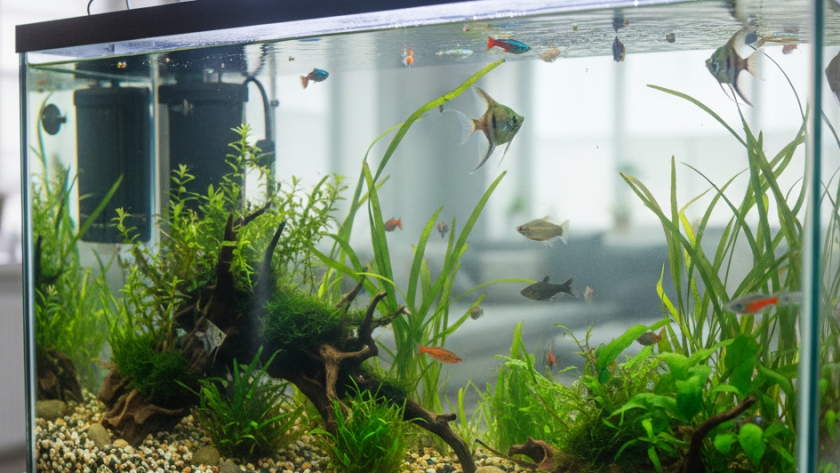
Keeping an aquarium clear doesn’t always require special tools, and if you’re wondering how to clean a fish tank with no equipment, you can still maintain a healthy, clear habitat using simple, low-effort techniques. This guide walks you through why tanks get dirty, exactly what to do, and how to prevent the issue from returning — all while aligning with the foundational maintenance principles outlined in the Complete Guide to Cleaning and Maintaining Aquarium Substrates.
Why Cleanliness Slips and Why It Matters
Fish tanks naturally collect debris from leftover food, fish waste, decaying plants, and cloudy water caused by bacteria blooms. Without regular care, these things build up and make the water look murky or smell unpleasant. Even if you don’t have tools like gravel vacuums or algae scrapers, maintaining cleanliness keeps the environment stable and reduces stress for your fish.
A clean tank also helps beneficial bacteria do their job—breaking down waste efficiently so the water stays visually clear. Understanding why tanks get dirty makes cleaning easier and helps you avoid repeating the same problem later.
Tools & Materials List
You only need a few simple items:
- Clean container or cup
- Small bowl or bucket
- Clean cloth or microfiber towel
- A soft sponge (unused for dishes)
- Your hands (for gentle algae removal)
- Dechlorinated water (or water left out 24 hours)
Step-by-Step Instructions
1. Remove a Portion of the Water
Use a cup or container to scoop out around 20–30% of the tank’s water into a clean bowl. This small water change reduces cloudiness and waste without disturbing the tank too much.
2. Wipe the Inner Glass
Dip a clean cloth or soft sponge in tank water and gently wipe the inside walls. This removes algae buildup without needing scrapers. For tough spots, rub with your fingers—natural friction works surprisingly well.
3. Lift and Shake the Decorations
Take out rocks, ornaments, or plastic plants. Swish them in the bowl of tank water you removed earlier. This loosens trapped debris without killing beneficial bacteria by rinsing them under tap water.
4. Stir the Substrate by Hand
If you have gravel or sand, lightly swirl your fingers through it. This lifts debris into the water so you can scoop and remove it. Avoid stirring too deeply—just enough to release settled waste.
5. Scoop Out Floating Debris
Use your cup to skim off particles that rise to the surface when you disturb the substrate. This is a simple manual alternative to a gravel vacuum.
6. Clean the Outside Glass
Wipe the outside of the tank with a dry or slightly damp microfiber towel. Avoid cleaners—plain water is enough and keeps things safe.
7. Refill With Fresh Water
Add clean, dechlorinated water back into the tank. Pour slowly against the glass so it doesn’t stir up the bottom again. The tank should look noticeably clearer within minutes.
8. Let the Water Settle
Give everything 10–20 minutes to stabilize. Cloudiness usually clears once particles settle or get processed by beneficial bacteria.
Natural and Simple Alternatives
You can maintain clarity using everyday methods that don’t rely on gear. Adding floating plants like duckweed or hornwort helps absorb extra nutrients that feed algae. Reducing light exposure slows algae growth, especially if your tank is near a window. Feeding smaller portions also prevents leftover food from rotting and clouding the water.
For gentle cleaning, a piece of soft cloth wrapped around your fingers can remove algae easily. Even a simple “swirl and settle” routine—mixing the water by hand—helps distribute particles so you can scoop them out more effectively.
Troubleshooting
If the tank still looks cloudy after cleaning, the issue may be overfeeding or too much light. Try cutting feeding portions in half for a few days and reducing daily light exposure.
Persistent green water often means algae blooms—use curtains or reduce lamp brightness temporarily.
If debris keeps returning quickly, gently rinse decorations in tank water each week to remove trapped waste.
For tanks that smell, replace a bit more water (30–40%) in your next change and ensure no food is sitting untouched on the bottom.
Prevention and Simple Maintenance Tips
Do small weekly water removals using a cup—just 10–20% is enough. Keep light exposure moderate, and avoid placing the tank near windows. Feed tiny portions your fish can finish in under a minute. Swish decorations in old tank water every two weeks so waste doesn’t build up. These tiny habits prevent major cleanups later.
Conclusion
Cleaning doesn’t have to be complicated. By understanding how to clean a fish tank with no equipment, you can keep your aquarium looking clear using only simple, hands-on techniques. With consistent small habits, your tank stays fresh, bright, and easy to manage.