
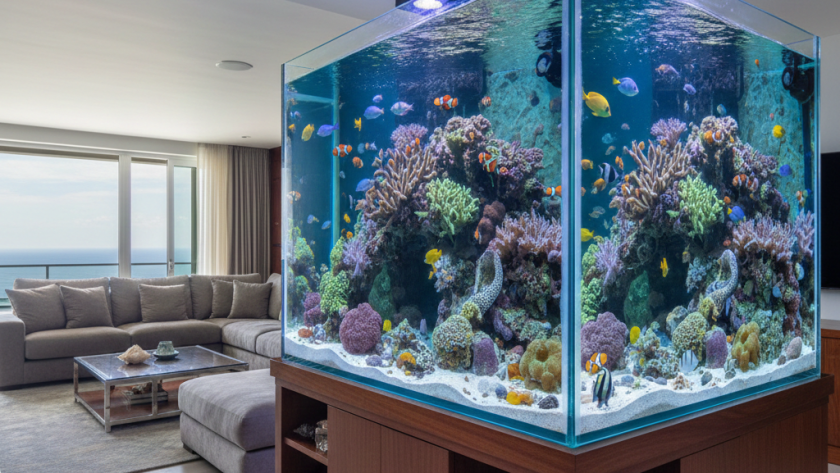
Keeping aquarium glass clear can feel like a constant battle, which is why an aquarium glass cleaner liquid becomes incredibly useful for dissolving mineral deposits, algae films, and stubborn smudges without harming your tank or its inhabitants. This guide explains what these liquids do, how to use them safely, and the best natural alternatives—perfectly complementing the broader maintenance strategies covered in The Complete Guide to Cleaning and Maintaining Aquarium Glass.
Why This Happens / Why This Matters
Aquarium glass gets cloudy for a few common reasons: mineral-rich water evaporates and leaves behind hard white residue, algae grows in response to excess light or nutrients, and fingerprints or oily marks build up on the outer surface. Over time, these layers make your tank look dull and reduce clarity.
Using the right cleaning liquid matters because not all products are aquarium-safe. Some household cleaners leave chemical traces that can contaminate the water. Purpose-made aquarium glass cleaners, on the other hand, break down residue efficiently without risking your fish or plants. Maintaining clean glass improves viewing, keeps your tank looking fresh, and supports a more enjoyable aquarium experience.
Tools & Materials List
- Aquarium-safe glass cleaner liquid
- Microfiber cloth or soft lint-free cloth
- Algae scraper or plastic blade (optional)
- Warm water in a spray bottle
- Paper towels
- Bucket for rinsing (optional)
Step-by-Step Instructions
1. Prepare the tank area
Wipe away dust and droplets around the tank so nothing falls inside. Turn off nearby lights to see the stains more clearly. If you’re cleaning the outside only, you don’t need to disturb the fish.
2. Apply the cleaner to the cloth, not the tank
Never spray the cleaner directly onto the glass. Instead, spray a small amount onto a microfiber cloth. This prevents any mist from drifting into the water.
3. Clean the exterior glass
Use long, smooth strokes to wipe the outside surface. Start with the most noticeable spots—fingerprints, smudges, or mineral rings. If the residue is stubborn, apply a bit more cleaner to the cloth and wipe again using circular motions.
4. Address interior residue (if using aquarium-safe formulas only)
Dip a clean cloth in warm water, then apply a small amount of aquarium-safe cleaner on top. Gently wipe the interior surface above the waterline where hard deposits often form. Avoid touching the area below the waterline unless the product explicitly states it is safe for submerged use.
5. Scrape tough spots
If you find dried mineral crusts or hardened algae, use a plastic scraper or algae blade at a shallow angle. Work slowly to avoid scratching the glass. After scraping, wipe again with the damp cloth to remove loosened residue.
6. Rinse and polish
Lightly spray the cloth with warm water and wipe all treated areas again to remove leftover cleaner. Finish by polishing with a dry microfiber cloth to reveal a streak-free, crystal-clear surface.
7. Check for streaks
Move around the tank and look from different angles. If you see streaks, buff the area again with a dry cloth until it shines.
Natural / Simple Alternatives
If you prefer not to use ready-made cleaning liquid, several gentle options work well:
- White vinegar (diluted): Effective for dissolving mineral stains on exterior glass. Keep it away from the water.
- Warm water + microfiber cloth: Great for light dust, fingerprints, and small smudges.
- Baking soda paste: Can remove stubborn crusts when used sparingly on exterior surfaces.
- Magic-eraser (aquarium-safe type): Useful for interior algae spots above the waterline.
These alternatives offer simple, budget-friendly cleaning without chemicals.
Troubleshooting
Cloudy streaks remain after wiping:
Your cloth may be too wet or dirty. Switch to a dry microfiber cloth and polish in circular motions.
White residue won’t come off:
This is usually mineral buildup. Use a vinegar wipe on the outside or soak a corner of the cloth in warm water and press it against the spot for a few seconds before scrubbing.
Algae keeps returning quickly:
Check if your tank receives too much light or if nutrient levels are high. Cleaners remove the symptom but not the cause.
Smell lingers from the cleaner:
Re-wipe with warm water and polish again. Using too much liquid can leave a film.
Prevention / Simple Maintenance Tips
Clean exterior glass weekly to stop residues from hardening. Wipe spilled water immediately, since drying droplets often create white marks. Control your lighting duration to reduce algae growth. Use a magnetic glass cleaner between full cleanings. Keeping a microfiber cloth near the tank encourages quick touch-ups that prevent buildup from returning.
Closing
Using an aquarium glass cleaner liquid is one of the fastest ways to restore clarity and keep your tank looking bright. With the right technique and simple maintenance habits, your aquarium will stay clear, clean, and enjoyable to look at every day.