
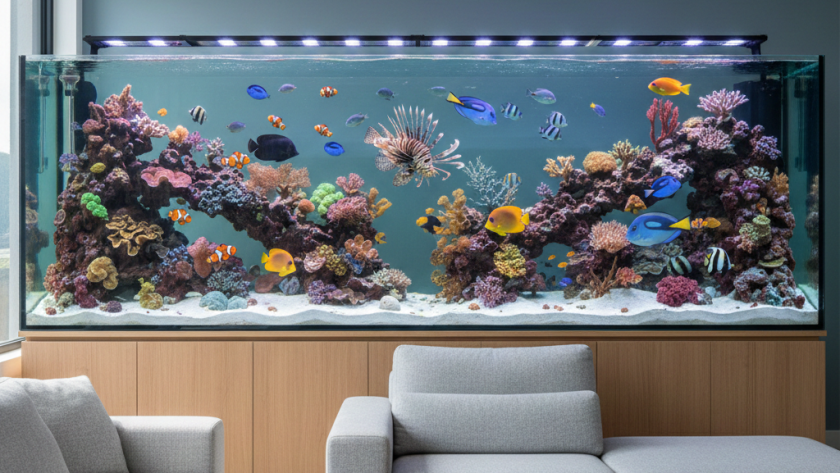
Cleaning stubborn aquarium glass white residue can feel frustrating, especially when regular wiping doesn’t work. This guide breaks down why the residue forms, the safest tools to use, and the most effective steps to restore crystal-clear viewing — all while aligning with the foundational care principles outlined in The Complete Guide to Cleaning and Maintaining Aquarium Glass.
Why White Residue Happens and Why It Matters
White buildup on aquarium glass usually comes from hard water deposits—mainly calcium and magnesium left behind when water evaporates. If you keep snails, plants, or use mineral-rich tap water, these marks can form even faster. Another source is dried salt creep in marine tanks, which leaves a chalky, crusted layer.
This residue matters because it blocks visibility, makes your setup look poorly maintained, and can gradually stain the glass if ignored. Regular cleaning prevents the deposits from becoming thick, stubborn layers that require more effort to remove later.
Tools & Materials You’ll Need
- Microfiber cloth or soft sponge
- Plastic scraper or old credit card
- Distilled white vinegar
- Warm water
- Spray bottle
- Aquarium-safe magnetic cleaner (optional)
- Paper towels
- Bucket or towel to catch drips
Step-by-Step Instructions
- Unplug nearby equipment
Turn off lights or devices close to where you’ll be cleaning. You don’t need to drain the tank—just secure cables so they stay dry. - Wipe loose debris
Use a dry microfiber cloth to remove dust and loose mineral flakes. This helps you see the true extent of the white marks. - Create your cleaning mix
Fill a spray bottle with a 1:1 mixture of distilled white vinegar and warm water. Vinegar naturally breaks down mineral deposits without scratching or leaving streaks. - Spray the exterior glass generously
Apply the vinegar solution to the outside of the tank first. Let it sit for 2–3 minutes so the acid can soften the residue. - Gently scrape softened residue
Use a plastic scraper or an old card at a shallow angle. Avoid metal blades—they can scratch the surface. - Buff with a microfiber cloth
Wipe using small circular motions. The combination of softened residue and gentle pressure usually removes most stains. - For inside glass (above the waterline)
Spray the solution onto a cloth, not directly into the tank, then rub the dry area. This avoids dripping cleaning liquid into the aquarium. - Repeat for stubborn spots
Hard buildup might need 2–3 cycles of spray, wait, scrape, wipe. Keep pressure light to protect the glass. - Use a magnetic cleaner for submerged areas
If algae or haze builds up underwater, glide a magnetic cleaner along the interior surface. White residue usually forms only where water evaporates, but a general clean improves clarity. - Final rinse and polish
Dampen a clean cloth with warm water to remove vinegar traces. Finish with a dry microfiber cloth for a streak-free shine.
Natural or Simple Alternatives
If you prefer fragrance-free or vinegar-free methods, try these:
- Lemon juice: Mild acidity works well for light mineral stains.
- Baking soda paste: Mix with a few drops of water to form a gentle abrasive for exterior glass only.
- Razor blade (glass tanks only): Use with extreme care and only for very stubborn crust—never on acrylic.
- Warm distilled water soak: For nano tanks, removing the lid and letting steam soften the residue can make wiping easier.
These alternatives are slower but useful for quick maintenance.
Troubleshooting
- Residue still visible after wiping: Let the vinegar sit longer, up to 5 minutes, before scraping.
- Chalky lines keep reappearing: Check if water splashes during feeding or filter turbulence. Reducing splash zones helps.
- Uneven streaks: Use a fresh, clean cloth—old cloths leave lint and oils that smear.
- Hard water stains extremely thick: You may need multiple sessions. Work gradually rather than scraping aggressively.
Prevention and Simple Maintenance Tips
Wipe the tank’s rim weekly to stop minerals from drying into hard layers. Reduce splashing from air stones or filters, and keep a microfiber cloth handy to clean drips immediately. If your tap water is very mineral-heavy, consider letting it sit overnight before adding it to the tank so some minerals settle out.
Closing
White stains can build up fast, but with routine care, keeping aquarium glass white residue away becomes easy. A few minutes of weekly maintenance keeps your tank looking bright, clear, and enjoyable to watch every day.