How To Remove Paint From Car
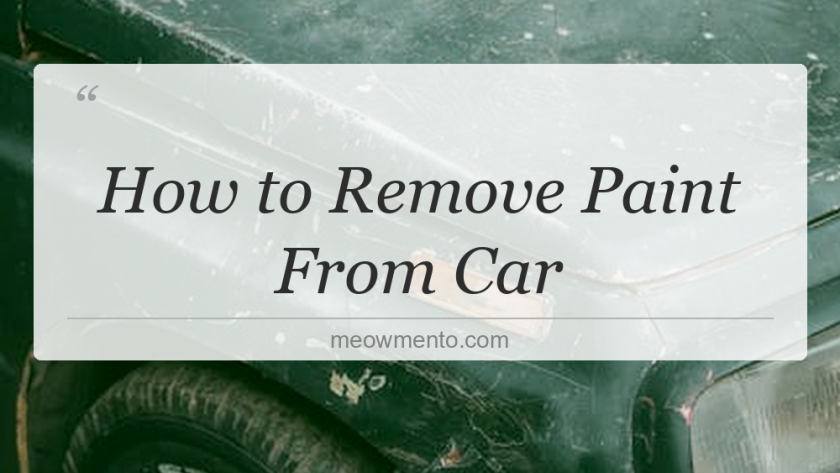
Discovering unwanted paint on your vehicle can be frustrating, whether it’s from a careless neighbor’s home improvement project, transfer from another vehicle, or accidental overspray. Learning how to remove paint from car surfaces safely and effectively is essential to restoring your vehicle’s pristine appearance without damaging the original finish. This comprehensive guide covers everything from understanding paint types and removal methods to maintenance schedules and troubleshooting common challenges. Paint removal is a delicate process that requires the right approach, tools, and techniques to protect your car’s clear coat and underlying paint layers while eliminating unwanted marks.
The Core Components
Understanding the fundamental elements of paint removal helps you choose the appropriate method and avoid costly mistakes. The success of any paint removal project depends on four critical factors that work together to achieve optimal results.
Paint Type and Age form the foundation of your removal strategy. Fresh paint responds differently than dried or cured paint, with water-based latex being significantly easier to remove than oil-based or spray paints. The chemical composition determines which solvents will be effective and how much effort the removal process requires.
Your Car’s Paint System consists of multiple layers including primer, base coat, clear coat, and sometimes additional protective films. Modern vehicles typically feature a clear coat layer that provides gloss and protection, making it the most vulnerable surface during paint removal. Understanding this layered structure helps you work carefully to remove only the unwanted paint while preserving your vehicle’s finish.
Removal Agents and Tools range from mild household solutions to professional-grade chemical strippers. Common options include clay bars, rubbing compounds, dedicated paint removers, and various solvents. Each agent has specific applications, with gentler methods preferred for minor marks and stronger solutions reserved for stubborn or extensive paint contamination.
Application Technique determines whether you successfully remove paint or damage your car’s finish. Proper technique involves testing products in inconspicuous areas, using appropriate pressure, working in small sections, and knowing when to escalate or change methods. The right approach balances effectiveness with safety for your vehicle’s surfaces.
Essential Maintenance Schedule
Paint removal isn’t typically a recurring maintenance task, but addressing paint contamination promptly and following proper post-removal care ensures long-term paint protection and appearance. This schedule outlines the timeline for different stages of the paint removal process and subsequent vehicle care.
| Timeline | Task | Purpose |
|---|---|---|
| Immediately | Assess paint contamination and test small area | Determine paint type and select appropriate removal method |
| Within 24-48 Hours | Remove fresh paint using gentlest effective method | Prevent paint from fully curing and bonding to clear coat |
| After Removal | Wash affected area thoroughly with car soap | Remove all chemical residues and loosened paint particles |
| Same Day | Apply polish and inspect for clear coat damage | Restore shine and identify any areas needing professional attention |
| Within 1 Week | Apply wax or sealant to treated area | Protect exposed paint and restore protective barrier |
| Monthly (Ongoing) | Regular washing and wax maintenance | Maintain paint protection and prevent future contamination |
The immediate response window is critical for successful paint removal. Fresh paint that hasn’t fully cured can often be removed with simple soap and water or mild solvents, while delayed treatment may require aggressive methods that risk clear coat damage. Acting quickly dramatically improves your chances of complete removal without professional intervention.
After completing paint removal, dedicate time to restoration and protection. The removal process, especially when using solvents or abrasives, can strip protective waxes and potentially dull the clear coat. Polishing restores gloss, while fresh wax application creates a protective barrier against future paint transfer and environmental contaminants.
Deep Dive: Methods & Approaches
Multiple paint removal methods exist, each suited to specific situations based on paint type, contamination severity, and location on your vehicle. Selecting the appropriate approach minimizes effort while maximizing safety for your car’s finish.
Mechanical Removal Methods rely on physical action rather than chemicals. Clay bar treatment works excellently for light overspray and paint mist, using a lubricant and specialized clay to lift contaminants from the clear coat without scratching. For slightly more stubborn paint, a plastic razor blade or credit card edge can carefully scrape away dried paint when used at the correct angle with plenty of lubrication. These methods are preferred as first-line treatments because they pose minimal risk to your vehicle’s finish.
Chemical Solvent Methods dissolve paint bonds through chemical action. Isopropyl alcohol (70-90%) effectively removes many fresh paints without damaging clear coat. Acetone and nail polish remover work on stubborn paint but require careful application and immediate washing to prevent clear coat damage. WD-40 and similar penetrating oils can soften paint for easier removal, particularly effective on paint transfer from minor collisions. Always test solvents on an inconspicuous area first, as some clear coats react differently to various chemicals.
Abrasive Compound Methods use fine abrasives suspended in liquid to gradually remove paint through controlled polishing action. Rubbing compounds work well for paint that has bonded to the clear coat but isn’t excessively thick. Apply with a microfiber applicator or dual-action polisher, working in small circular motions with light pressure. This method simultaneously removes unwanted paint and polishes the surrounding area, though it does remove a microscopic layer of clear coat.
Professional-Grade Removal becomes necessary for extensive contamination or when DIY methods fail. Professional detailers have access to stronger chemical strippers, wet sanding equipment, and refinishing capabilities. This approach is recommended for large areas of cured paint, paint that has etched into the clear coat, or situations where previous removal attempts have caused damage.
Deep Dive: Common Problems & Fixes
Even with careful technique, paint removal can present challenges that require specific troubleshooting approaches. Understanding these common problems and their solutions helps you navigate complications successfully.
Paint Won’t Fully Remove
When paint residue remains after initial removal attempts, it typically indicates the paint has chemically bonded with or etched into your clear coat. Solution: Escalate gradually through methods—try a clay bar with aggressive lubricant, then move to rubbing compound with a polishing pad. For deeply embedded paint, wet sanding with 2000-3000 grit sandpaper followed by compounding may be necessary, though this approaches professional-level work. Avoid repeatedly applying harsh solvents, as this risks clear coat damage without improving results.
Clear Coat Appears Cloudy or Dull
Cloudiness after paint removal indicates either solvent damage to the clear coat or micro-abrasions from removal technique. Solution: Immediately wash the area with car soap to remove all chemical residues. Apply a fine polish (not compound) using gentle circular motions to restore clarity. If cloudiness persists, the clear coat may have been chemically compromised and may require professional wet sanding and refinishing. Prevention involves limiting solvent contact time and using the gentlest effective method.
Paint Staining or Shadow Remains
A ghost image or stain may persist even after physical paint removal, particularly with bright-colored paints on light-colored vehicles. Solution: This staining typically sits in microscopic pores of the clear coat. Use a pre-wax cleaner or all-in-one polish with chemical cleaners, working the product thoroughly into the affected area. Multiple applications may be necessary. For persistent staining, a mild solvent applied briefly, followed immediately by washing and polishing, can help draw out embedded pigments.
Scratches Appear During Removal
Scratching occurs from insufficient lubrication, trapped particles under tools, or excessive pressure. Solution: Stop immediately and assess scratch depth by running a fingernail across—if your nail catches, the scratch penetrates the clear coat. Fine scratches can be addressed with scratch remover or polishing compound. Deeper scratches may require wet sanding and professional refinishing. Prevent scratches by using generous lubrication, frequently rinsing tools, and maintaining light pressure throughout the removal process.
Specific Guides: Detailed Paint Removal Scenarios
Different paint removal situations require specialized approaches and techniques. The following comprehensive guides address specific scenarios you might encounter when dealing with unwanted paint on your vehicle.
When dealing with paint that has already dried and hardened on your car’s surface, the removal process becomes more challenging and requires specific techniques that balance effectiveness with surface safety. For detailed step-by-step instructions on tackling this common problem, including recommended products and tools, explore our complete guide: How To Get Dried Paint Off Car.
Paint transfer from another vehicle during a minor collision or parking lot incident creates a different type of contamination than overspray or drips. This transferred paint often bonds with your clear coat through heat and pressure, requiring specific removal approaches. Many car owners wonder about using common household products for this situation. For an in-depth analysis of effectiveness and proper application techniques, read our specialized article: Does Wd-40 Remove Paint Transfer From Car.
Comprehensive paint removal projects covering larger areas or multiple paint types demand a systematic approach that progresses through different methods based on results. Understanding when to use mechanical versus chemical approaches, how to assess your progress, and when to seek professional help ensures successful outcomes. For a complete methodology covering extensive paint removal situations, consult our detailed resource: How To Remove Paint From A Car.
Understanding which substances effectively dissolve automotive paint can help you select the right removal agent while also highlighting products to avoid that might damage your car’s original finish. Chemical knowledge is particularly valuable for stubborn paint that resists mechanical removal methods. For comprehensive information about paint-dissolving chemicals, their applications, and safety considerations, reference our expert guide: What Dissolves Car Paint Quickly.
Quick-Start Checklist
Use this essential checklist when preparing for and executing any paint removal project on your vehicle:
- Assessment: Identify paint type (water-based, oil-based, spray paint), age (fresh or dried), and contamination extent
- Gather Materials: Microfiber towels, car wash soap, clay bar kit, plastic razor blade, isopropyl alcohol, rubbing compound, polish, and wax
- Wash Area: Clean the affected area thoroughly to remove surface dirt and establish a clean working surface
- Test First: Apply chosen removal method to small, inconspicuous area to verify safety and effectiveness
- Start Gentle: Begin with the mildest effective method (soap and water for fresh paint, clay bar for light overspray)
- Work Small Sections: Focus on 1-2 square foot areas at a time with adequate lubrication
- Inspect Frequently: Check progress and clear coat condition every few minutes to prevent damage
- Escalate Gradually: Only move to stronger methods if current approach proves ineffective after reasonable effort
- Remove Residue: Wash area completely after successful paint removal to eliminate all chemicals and particles
- Restore Protection: Polish affected area, then apply quality wax or sealant to restore protective barrier
- Document Results: Take photos and note which methods worked for future reference
Final Thoughts
Successfully learning how to remove paint from car surfaces protects your vehicle’s appearance and value while saving significant money compared to professional services. The key to effective paint removal lies in prompt action, selecting appropriate methods for your specific situation, and prioritizing your vehicle’s clear coat protection throughout the process. Remember that patience and gentle techniques typically produce better results than aggressive approaches. For specialized situations and advanced techniques, explore the detailed guides linked throughout this article to develop expertise in every aspect of automotive paint removal.