
How To Remove Mould From Clothes
Discovering mould on your favorite garments can be distressing, but understanding how to remove mould from clothes effectively can save your wardrobe and protect your health. Mould growth on fabric occurs when clothing is stored in damp, poorly ventilated conditions, creating the perfect environment for spores to multiply. Left untreated, mould not only damages fabric fibers and causes permanent staining but also releases allergens that can trigger respiratory issues and skin irritation. This comprehensive guide covers everything you need to know about identifying, treating, and preventing mould on clothing, from understanding the core principles of mould removal to mastering specific techniques for different fabric types. Whether you’re dealing with minor surface mould or extensive contamination, the methods outlined here will help you restore your garments safely and effectively.
The Core Components of Effective Mould Removal
Successfully removing mould from clothes requires understanding four fundamental aspects that work together to eliminate contamination completely. First, early intervention is critical—the longer mould remains on fabric, the deeper it penetrates the fibers and the more difficult it becomes to remove without causing permanent damage. Surface mould caught within days can often be brushed off outdoors before washing, while established growth may require multiple treatment cycles.
Second, proper identification of the mould type and fabric composition determines your treatment approach. While most clothing mould appears as black, green, or white fuzzy patches with a characteristic musty odor, different fabric types demand different cleaning methods. Natural fibers like cotton and linen can typically withstand more aggressive treatments, while delicate materials such as silk, wool, and synthetics require gentler approaches to prevent shrinkage or color fading.
Third, complete spore elimination is essential to prevent recurrence. This means not only removing visible mould but also killing microscopic spores embedded in the fabric. Heat, specific cleaning agents, and proper drying techniques all contribute to thorough eradication. Finally, prevention through proper storage ensures mould doesn’t return. This includes maintaining low humidity levels, ensuring adequate air circulation, and storing only completely dry clothing in clean, dry spaces.
Essential Mould Removal Schedule and Process
Following a systematic approach ensures thorough mould removal while minimizing fabric damage. The process begins with safety preparation: always work in a well-ventilated area, preferably outdoors, and wear protective gloves and a mask to avoid inhaling spores. Never shake mouldy clothes indoors, as this releases thousands of spores into your living environment.
Step 1: Initial Assessment and Dry Removal (5-10 minutes)
Take the affected garment outside and use a stiff brush to remove as much surface mould as possible. Brush away from your body and dispose of the loosened mould safely. For extensive mould growth, this pre-treatment step is crucial before introducing moisture.
Step 2: Pre-Treatment Application (15-30 minutes soaking)
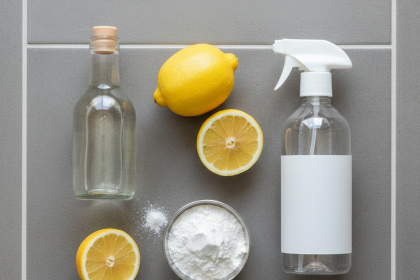
Apply your chosen mould-killing solution directly to the affected areas. Options include white vinegar, hydrogen peroxide, borax solution, or commercial mould removers. Allow the solution to penetrate the fabric for at least 15-30 minutes. For stubborn mould, gently work the solution into the fabric with a soft brush.
Step 3: Machine Washing (Full wash cycle)
Wash the garment in the hottest water safe for the fabric type, using regular laundry detergent plus one cup of white vinegar or half a cup of baking soda added to the wash cycle. The heat and agitation help kill remaining spores while the additives boost cleaning power.
Step 4: Drying and Verification (Until completely dry)
Dry the garment in direct sunlight whenever possible, as UV rays have natural mould-killing properties. If using a dryer, select the highest heat setting safe for the fabric. Before storing, inspect the garment carefully—if any mould odor or staining remains, repeat the treatment process. Never put away damp clothing or items that still smell musty.
| Treatment Stage | Time Required | Key Action |
|---|---|---|
| Dry Brushing | 5-10 minutes | Remove surface mould outdoors |
| Pre-Treatment Soak | 15-30 minutes | Apply mould-killing solution |
| Hot Wash | 45-60 minutes | Launder with vinegar or baking soda |
| Complete Drying | 2-4 hours | Sun-dry or use high heat dryer |
Methods and Approaches for Different Situations
The most effective mould removal method depends on your fabric type, mould severity, and available resources. The vinegar method works excellently for most washable fabrics and mild to moderate mould growth. White vinegar contains acetic acid that kills approximately 82% of mould species. Simply soak affected areas in undiluted white vinegar for 30-60 minutes before washing, or add one to two cups directly to your washing machine. This method is safe for most colors and won’t damage fabric fibers.
The hydrogen peroxide approach is ideal for white or colorfast fabrics with stubborn mould stains. Use 3% hydrogen peroxide solution, spray it directly onto mouldy areas, and let it sit for 10-15 minutes before washing. This method has stronger bleaching properties than vinegar, making it particularly effective for removing black mould discoloration, but always test on an inconspicuous area first to ensure color safety.
The borax solution method provides powerful antifungal action for heavily contaminated items. Mix half a cup of borax with hot water until dissolved, then soak the garment for several hours or overnight before washing. Borax inhibits mould growth naturally and works well on natural fibers. For delicate fabrics like silk or wool, use the gentle specialty cleaner approach—take items to professional dry cleaners who have specialized equipment and solutions designed for mould removal without damaging delicate materials.
When dealing with non-washable items like leather or suede, use the dry cleaning method exclusively, as moisture can cause irreversible damage. Professional cleaners use specialized solvents and techniques appropriate for these materials. For outdoor gear and synthetic performance fabrics, the enzyme-based cleaner method often works best, as these products are specifically formulated to break down organic matter without compromising water-resistant coatings or technical fabric properties.
Common Problems and Effective Fixes
Persistent Mould Odor After Washing
If clothes still smell musty after treatment, mould spores remain active in the fabric. Rewash the garment using two cups of white vinegar in the rinse cycle without any detergent. Follow with a second wash using baking soda and your regular detergent. For extremely stubborn odors, soak the item in a solution of one part vinegar to four parts water for several hours before rewashing. Ensure the washing machine itself isn’t harboring mould by running an empty hot cycle with vinegar monthly.
Mould Stains That Won’t Lift
Dark mould stains that persist after initial treatment require more aggressive stain removal. Create a paste using baking soda and water, apply it directly to stained areas, and let it sit for 30 minutes before scrubbing gently with a soft brush. Alternatively, lemon juice combined with salt creates a natural bleaching agent—apply this mixture to stains and place the garment in direct sunlight for several hours. For white fabrics, oxygen-based bleach can be effective, but always follow product instructions carefully and avoid chlorine bleach, which can set mould stains permanently.
Mould Returning After Treatment
Recurring mould indicates either incomplete initial treatment or ongoing storage problems. First, ensure garments are completely dry before storing—even slight dampness can restart mould growth within 24-48 hours. Second, address your storage environment by using dehumidifiers in closets, ensuring proper ventilation, and avoiding storing clothes in plastic bags or containers that trap moisture. Cedar blocks or silica gel packets absorb excess moisture naturally. If mould repeatedly returns to the same items, the contamination may have penetrated too deeply, and the garment may be beyond salvaging.
Damage to Fabric During Treatment
If fabric shows discoloration, weakening, or texture changes after mould removal attempts, you may have used too harsh a treatment method. Always test cleaning solutions on hidden areas first, use the gentlest effective method for your fabric type, and avoid excessive scrubbing or prolonged soaking. For already-damaged items, professional restoration services may be able to repair or minimize the damage. In the future, reduce treatment intensity and increase frequency rather than using aggressive single treatments.
Specific Guides for Targeted Mould Removal
While this guide covers the general principles of how to remove mould from clothes, certain situations require specialized approaches tailored to specific mould types or removal methods. Understanding these nuances ensures the most effective treatment for your particular circumstances.
Black mould presents unique challenges due to its toxic nature and tendency to cause deep staining on fabrics. This aggressive mould species requires specific safety precautions and more intensive treatment protocols. For comprehensive guidance on handling this particularly stubborn contamination, including safety measures and specialized cleaning techniques, see our detailed guide: How To Get Rid Of Black Mould On Clothes.
Many people wonder about natural, budget-friendly alternatives to commercial mould removers, with vinegar being one of the most commonly recommended household solutions. While vinegar can be highly effective for mould treatment, its success depends on proper application method, concentration, and fabric compatibility. To understand exactly how vinegar works against mould spores, its limitations, and the correct way to use it for maximum effectiveness, explore our evidence-based analysis: Does Vinegar Kill Mold On Clothes.
These specialized guides provide deeper insights into specific aspects of mould removal, offering step-by-step instructions and troubleshooting advice that complement the foundational knowledge presented in this pillar article. Together, they form a complete resource for addressing any mould-related clothing challenge you might encounter.
Quick-Start Mould Removal Checklist
- Safety first: Put on protective gloves and mask before handling mouldy clothes
- Work outdoors: Take items outside to prevent spreading spores indoors
- Brush off surface mould: Use a stiff brush to remove visible growth before washing
- Choose your treatment method: Select vinegar, hydrogen peroxide, or borax based on fabric type
- Pre-treat affected areas: Apply cleaning solution and let soak for 15-30 minutes
- Hot wash: Launder in the hottest water safe for the fabric with added vinegar or baking soda
- Dry completely: Use direct sunlight or high dryer heat until totally dry
- Inspect before storing: Check for remaining odor or stains—repeat if necessary
- Fix storage conditions: Address humidity and ventilation issues that caused the problem
- Monitor regularly: Check stored clothes periodically for early signs of recurrence
Final Thoughts
Learning how to remove mould from clothes effectively protects both your wardrobe investment and your household health. By understanding the core principles of mould elimination, following systematic treatment processes, and adapting methods to your specific situation, you can successfully restore contaminated garments in most cases. Remember that prevention through proper storage is equally important as treatment—maintaining dry, well-ventilated storage spaces stops mould before it starts. For specific challenges like black mould contamination or questions about particular treatment methods, explore the specialized guides linked throughout this article to deepen your expertise and ensure successful mould removal every time.