How To Keep A Puffer Jacket Puffy After Washing
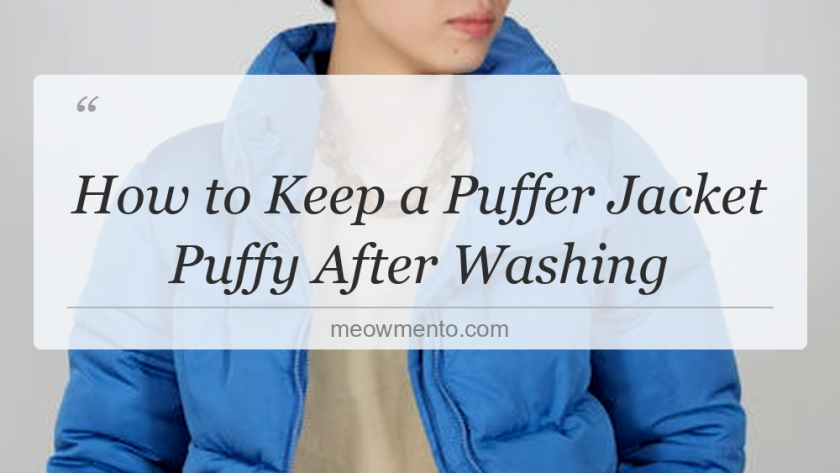
Washing your puffer jacket can leave it flat and lifeless if you’re not careful about the drying process. Learning how to keep a puffer jacket puffy after washing is essential for maintaining its warmth and appearance. The secret lies in properly redistributing the down or synthetic insulation and using the right drying techniques. This guide will show you exactly how to restore and maintain that coveted loft that makes your jacket both warm and stylish.
Why Your Puffer Jacket Loses Its Puff
When you wash a puffer jacket, water causes the insulation inside to clump together. Down feathers naturally stick to each other when wet, forming dense masses that lose their ability to trap air. This air-trapping quality is what provides insulation and creates that puffy appearance.
Synthetic insulation faces similar issues, though it’s slightly more resilient. Without proper drying and fluffing, these clumps remain compressed even after the jacket dries. The result is a flat, less warm jacket that looks nothing like it did before washing. Understanding this process helps you take preventive action during and after washing.
Tools and Materials You’ll Need
- Tennis balls or dryer balls (2-4 pieces)
- Large capacity dryer with low heat setting
- Clean, dry towels (optional, for initial moisture absorption)
- Your freshly washed puffer jacket
- Patience (drying takes 2-3 hours typically)
Step-by-Step Instructions
Step 1: Remove Excess Water Gently
After washing, gently press the jacket to remove excess water. Never wring or twist the fabric, as this can damage the insulation and outer material. You can roll the jacket in a clean, dry towel to absorb additional moisture before moving to the dryer.
Step 2: Add Tennis Balls to the Dryer
Place your puffer jacket in a large-capacity dryer along with 2-4 clean tennis balls or specialized dryer balls. These balls will tumble around with the jacket, constantly breaking up clumps of insulation and helping redistribute the fill evenly throughout each baffle.
Step 3: Use Low Heat Settings
Set your dryer to the lowest heat setting or use the air-dry/no-heat option if available. High heat can damage the outer shell material and melt synthetic insulation or scorch down feathers. Low and slow is the golden rule for puffer jackets.
Step 4: Dry in Cycles
Run the dryer for 20-30 minutes, then remove the jacket and manually break up any remaining clumps by gently pulling apart the baffles and shaking the jacket vigorously. Pay special attention to corners and seams where insulation tends to collect. Repeat this drying and fluffing cycle 4-6 times.
Step 5: Check for Damp Spots
Between cycles, feel inside the baffles for any remaining moisture. Down especially can feel dry on the outside while still damp inside. Continue drying until completely dry, as any remaining moisture can lead to mildew and odor.
Step 6: Final Fluff and Air Out
Once fully dry, give the jacket a final vigorous shake and hang it on a wide hanger in a well-ventilated area for a few hours. This allows any residual heat to dissipate and lets the insulation settle into its natural loft.
Natural Alternatives to Tennis Balls
If you don’t have tennis balls handy, several alternatives work just as well. Clean canvas sneakers wrapped in pillowcases provide similar agitation without the rubber smell sometimes associated with new tennis balls. Wool dryer balls are an excellent eco-friendly option that also reduces drying time.
You can also use the manual fluffing method exclusively if you prefer air-drying. After washing your puffer jacket, lay it flat on a drying rack and manually break up clumps every 30-60 minutes until completely dry. This takes longer but eliminates any heat exposure concerns. Some people use a hairdryer on cool setting to speed up the process while manually fluffing sections.
Troubleshooting Common Problems
Stubborn clumps remaining: If certain areas stay flat after drying, gently massage and pull apart the outer and inner fabric of that baffle. You can also try placing just that section back in the dryer with tennis balls for another 15-minute cycle.
Lingering dampness: Down insulation can take surprisingly long to dry completely. If your jacket still feels slightly damp or smells musty, it needs more drying time. Continue the drying cycles until there’s absolutely no moisture remaining, as trapped moisture ruins down permanently.
Uneven puffiness: This usually means insulation has shifted during washing. Turn the jacket inside out and redistribute the fill by gently pushing it from concentrated areas toward flatter sections, then dry again with tennis balls.
Prevention and Maintenance Tips
The best way to keep your puffer jacket puffy is to minimize washing frequency. Spot-clean minor stains and air out your jacket regularly instead of washing it completely. When you do wash, always use a front-loading washer on gentle cycle, as top-loaders with agitators can damage baffles.
Store your puffer jacket hanging or loosely folded, never compressed for long periods. Compression during storage breaks down insulation structure over time. Between wears, shake out your jacket to help maintain loft and prevent insulation from settling.
Keep Your Jacket Looking New
Mastering how to keep a puffer jacket puffy after washing ensures your investment lasts for years. The combination of proper drying technique, tennis balls, and patient fluffing will restore your jacket to its original loft every time. With these methods, you’ll never have to settle for a flat, sad-looking puffer again.