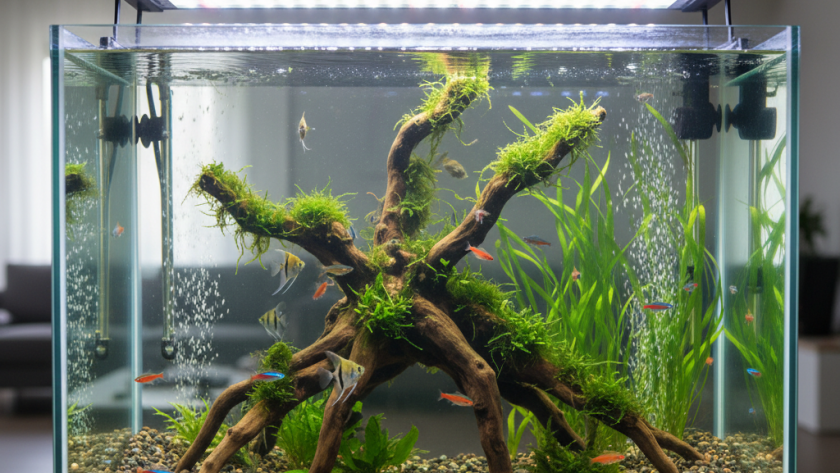
Keeping aquarium gravel clean is essential for a healthy and visually appealing tank. If you’re dealing with stubborn green or brown buildup, this guide walks you through cleaning fish tank gravel algae in a simple, practical way. You’ll learn why it forms, what you need, and the easiest steps to remove it without stressing your fish.
Why This Happens / Why This Matters
Algae on gravel is totally normal and usually caused by excess light, leftover food, or waste collecting deep between the stones. When these nutrients build up, algae spreads quickly and settles into the lower layers of the substrate.
While it’s not harmful on its own, excessive algae can make your tank look cloudy, reduce water clarity, and hint that something in your maintenance routine needs adjusting. Understanding these causes helps you not only remove the algae but also prevent it from returning.
Tools & Materials List
- Aquarium gravel vacuum or siphon
- Clean bucket (aquarium-only)
- Algae scrubber or soft brush
- Water conditioner
- Old towel
- Small net (optional)
- Spare container for temporary fish holding (optional)
Step-by-Step Instructions
1. Prepare your workspace
Lay a towel under the bucket and gather your tools. Make sure everything is set so you can clean smoothly without rushing.
2. Turn off equipment
Switch off filters, heaters, and air pumps. This prevents debris from being sucked in or sprayed around during cleaning.
3. Perform a partial water removal
Use the siphon to start draining water into the bucket. As the water flows out, gently push the gravel vacuum into the substrate. This lifts trapped debris, waste, and algae without removing the gravel itself.
4. Deep-clean the gravel
Move the siphon section by section. Allow the algae and dirt to rise through the tube while the gravel tumbles. The stones should fall back down clean while the dirt is carried away. Take your time—slow, steady passes are more effective than rushing.
5. Loosen stubborn algae
If certain patches don’t lift, use a small brush or algae pad to lightly scrub the gravel in place. Do not remove all algae; some is normal and part of a balanced aquarium. The goal is to clear visible buildup.
6. Remove only 25–30% of the water
This amount is ideal for most aquariums during routine cleaning. It refreshes the tank while keeping the environment stable.
7. Refill the tank
Add fresh, dechlorinated water slowly. Match the temperature to the tank water to avoid stressing your fish. Pour gently so you don’t disturb the cleaned gravel.
8. Restart your equipment
Turn the filter and heater back on. Let the water settle for a few minutes. Your gravel should already look brighter and more natural.
Natural / Simple Alternatives
If you prefer low-effort or natural options, there are several ways to reduce algae without harsh chemicals. Adding live plants helps absorb the same nutrients algae uses, lowering its growth. Reducing the light cycle by a couple of hours makes a big difference in most tanks.
Some aquarists also stir the gravel lightly every few days to keep debris from settling and feeding new algae. Regular small water changes—around 10–15%—naturally limit buildup and keep the gravel cleaner for longer.
Troubleshooting
If algae keeps returning quickly, check your lighting. Leaving aquarium lights on too long is one of the most common triggers. Try reducing it to 6–8 hours a day.
If the gravel still looks dirty after cleaning, your filter may be clogged or undersized. Rinse the filter sponge in tank water (never tap water) and make sure the flow is consistent. A cloudy look after cleaning is normal; it should clear within a few hours.
If you notice dark, slimy layers that return fast, it might be diatom or brown algae. This often appears in newer tanks and typically fades once the setup stabilizes.
Prevention / Simple Maintenance Tips
Weekly small water changes help prevent waste from sinking deep into the gravel. Avoid overfeeding; leftover food is one of the main sources of algae growth. Keep your lights on a predictable timer and consider adding a few easy live plants for balance.
Vacuuming the gravel lightly every one to two weeks keeps algae from building up again.
Closing
Cleaning fish tank gravel algae doesn’t have to be difficult. With the right tools and a steady routine, your aquarium floor can stay bright, clean, and healthy. Consistent care is the best way to keep gravel clear and prevent algae from returning.