How To Clean Pewter: Complete Guide to Restoring and Maintaining Your Pewter Items
Pewter is a timeless metal alloy treasured for its soft luster and elegant appearance. Whether you’ve inherited antique pewter tankards, own modern decorative pieces, or collect pewter jewelry, knowing how to clean pewter properly is essential for preserving its beauty and value. Unlike silver, pewter doesn’t tarnish in the traditional sense, but it does develop oxidation, fingerprints, and grime that dull its distinctive satin finish. This comprehensive guide covers everything you need to know about cleaning, restoring, and maintaining pewter items safely and effectively, from gentle daily care to restoration techniques for heavily oxidized pieces.
Pewter’s unique composition—typically 85-99% tin combined with copper, antimony, or bismuth—requires specific cleaning approaches that differ from other metals. Using harsh chemicals or abrasive methods can permanently damage the soft metal surface, while proper techniques will keep your pewter looking magnificent for generations.
The Core Components of Pewter Care
Understanding pewter’s properties is fundamental to cleaning it correctly. Modern pewter contains no lead and is safe for items like mugs and plates, while antique pewter (pre-1970s) may contain lead and should be handled accordingly. The metal’s softness—rated 3-4 on the Mohs hardness scale—means it scratches easily and requires gentle treatment.
The three key principles for pewter maintenance are: avoid abrasives, minimize moisture exposure, and never use harsh chemicals. Pewter develops a natural patina over time that many collectors value, so aggressive cleaning can actually diminish an antique piece’s worth. The goal isn’t always mirror-shine but rather a clean, even appearance that respects the metal’s character.
Temperature sensitivity is another critical factor. Pewter has a low melting point (around 170-230°C), so it should never be exposed to high heat. Hot water is acceptable for cleaning, but items should never be placed near open flames or in dishwashers with heated dry cycles. Understanding these fundamental characteristics ensures you’ll choose appropriate cleaning methods that preserve rather than damage your pewter pieces.
The finish type also matters significantly. Some pewter items have a bright, polished finish, while others feature a satin or oxidized appearance by design. Always identify the intended finish before cleaning to avoid inadvertently removing a desirable patina or over-polishing a piece meant to have subtle luster.
Essential Maintenance Schedule for Pewter Items
Establishing a regular cleaning routine prevents heavy oxidation buildup and keeps pewter looking its best with minimal effort. The frequency depends on how often you handle or display the items, but this schedule works for most pewter collections:
| Frequency | Tasks | Method |
|---|---|---|
| After Each Use | Functional items (mugs, plates, jewelry) | Wash with warm water and mild dish soap, dry immediately with soft cloth |
| Weekly | Displayed items in high-traffic areas | Dust with microfiber cloth, spot-clean fingerprints with damp cloth |
| Monthly | All pewter items | Gentle wash with soapy water, thorough drying, light buffing with soft cloth |
| Quarterly | Decorative and stored pieces | Deep cleaning with specialized pewter cleaner if needed, inspect for oxidation |
| Annually | Antique or valuable pieces | Professional assessment, restoration if necessary, check storage conditions |
Daily preventive care is equally important. Always handle pewter with clean, dry hands to minimize oil transfer. Store pieces in low-humidity environments, ideally wrapped in acid-free tissue paper or soft cotton cloth. Avoid storing pewter in contact with wood, which can cause corrosion, or in sealed plastic bags that trap moisture.
For functional pewter items used regularly, the cleaning process is straightforward: wash immediately after use with warm (not hot) water and a few drops of mild dish soap. Use a soft sponge or cloth—never abrasive scrubbers. Rinse thoroughly and dry completely with a lint-free towel, as water spots can create permanent marks if left to air dry.
Methods and Approaches for Different Pewter Cleaning Needs
The basic soap and water method suits most routine cleaning tasks. Mix warm water with pH-neutral dish soap, gently wash the pewter item with a soft cloth, rinse completely, and buff dry. This approach handles fingerprints, dust, and light soiling without risks to the metal.
Commercial pewter cleaners provide more intensive cleaning power for oxidized or dull pieces. These specially formulated products contain mild abrasives and chemical cleaners designed specifically for pewter’s properties. Apply according to manufacturer directions, typically rubbing gently in circular motions, then rinse and dry thoroughly. These work best for quarterly deep cleaning or when preparing pieces for display.
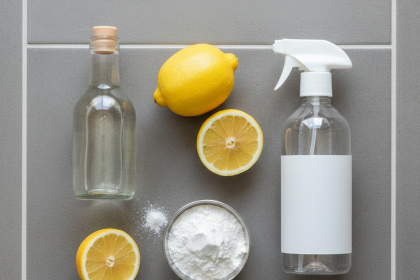
The homemade paste method uses household ingredients for moderate cleaning. Common formulations include baking soda mixed with water to form a paste, or a combination of flour, salt, and white vinegar. Apply the paste with a soft cloth, rub gently in the direction of any existing grain, let sit briefly (1-2 minutes), then rinse completely and dry. This approach falls between basic washing and commercial cleaners in effectiveness.
Cabinet maker’s wax application serves as both cleaning and protection. After cleaning pewter thoroughly, apply a thin layer of quality paste wax, let it dry to a haze, then buff gently. This creates a protective barrier against oxidation and fingerprints while enhancing the natural luster. Reapply every 3-6 months for displayed pieces.
For antique or valuable pewter, the conservation approach is paramount. Use only the gentlest methods—typically just distilled water and soft cloths—to avoid removing valuable patina. When in doubt, consult a professional conservator rather than risk damaging an irreplaceable piece. Museum-quality pewter often receives only dry dusting to preserve historical integrity.
Common Problems and Fixes for Pewter Items
Heavy Oxidation and Dark Spots
Dark gray or black oxidation occurs when pewter reacts with air and moisture over time. For light oxidation, use a commercial pewter polish applied with a soft cloth in gentle circular motions. For heavier cases, create a paste of baking soda and water, apply to affected areas, let sit for 2-3 minutes, then gently rub and rinse. Extremely stubborn oxidation may require multiple treatments or professional restoration services.
White Powdery Residue (Tin Pest)
This rare condition occurs when pewter is exposed to very cold temperatures, causing the tin to destabilize. The white, powdery appearance indicates structural change in the metal. Unfortunately, tin pest is irreversible and will continue spreading. Affected pieces should be stored in warm, stable temperatures (above 13°C) and kept separate from other pewter to prevent exposure to the same conditions.
Water Spots and Mineral Deposits
Hard water leaves chalky deposits on pewter surfaces. Remove these by wiping with a cloth dampened with distilled white vinegar (diluted 1:1 with water), then immediately rinse with distilled water and dry thoroughly. For prevention, always dry pewter completely after washing and use distilled water for final rinses in hard water areas.
Scratches and Surface Damage
Minor scratches can sometimes be minimized by gentle buffing with jeweler’s rouge on a soft cloth, working in the direction of the scratch. Deep scratches require professional attention. Prevent scratches by storing pewter pieces separately, wrapped in soft materials, and never stacking items directly on top of each other. Display pewter on felt-lined shelves when possible.
Specific Guides for Advanced Pewter Care
While this guide covers comprehensive pewter cleaning basics, certain situations require specialized knowledge and techniques. When selecting cleaning products, understanding which formulations work best for pewter versus those that can cause damage is crucial. What Is The Best Cleaner For Pewter explores commercial and homemade options in detail, comparing effectiveness, safety, and appropriate applications for different pewter types.
Heavily tarnished or neglected pewter pieces often leave owners wondering if restoration is even possible. The good news is that most pewter can be brought back to beautiful condition with proper techniques. Can Tarnished Pewter Be Restored provides comprehensive restoration methods, from simple home treatments to professional conservation approaches, helping you determine the best path for your specific pieces.
Many people wonder about using common household acids for pewter cleaning, particularly white vinegar. While vinegar can be effective in certain applications, it also carries risks if used improperly on pewter’s soft surface. Does Vinegar Clean Pewter examines the science behind vinegar as a cleaning agent, when it’s appropriate to use, proper dilution ratios, and situations where alternative methods prove safer.
For collectors and enthusiasts seeking to restore pewter’s original brilliance, achieving that characteristic soft gleam requires specific techniques. Whether you’re preparing antique pieces for display or maintaining modern pewter jewelry, How To Bring The Shine Back To Pewter details polishing methods, product recommendations, and buffing techniques that enhance luster without damaging the metal’s integrity.
Quick-Start Pewter Cleaning Checklist
- Gather supplies: Mild dish soap, warm water, soft cloths (microfiber or cotton), bowl, distilled water for rinsing
- Test first: Try any cleaning method on a small, inconspicuous area before treating the entire piece
- Remove loose dirt: Dust with a dry, soft cloth or use compressed air for intricate designs
- Wash gently: Mix warm water with a few drops of mild soap, wash with soft cloth using light pressure
- Rinse thoroughly: Use clean water (distilled preferred) to remove all soap residue
- Dry completely: Immediately buff dry with lint-free cloth—never air dry
- Polish if desired: Apply pewter-specific polish or paste wax for extra shine and protection
- Store properly: Wrap in acid-free tissue or soft cloth, store in low-humidity environment
- Handle carefully: Always use clean, dry hands; avoid touching decorative surfaces unnecessarily
- Inspect regularly: Check monthly for early signs of oxidation, damage, or storage issues
Final Thoughts on Pewter Care
Learning how to clean pewter properly transforms maintenance from a daunting task into a simple routine that preserves your pieces’ beauty for decades. Whether you’re caring for heirloom antiques or modern decorative items, the gentle approaches outlined here protect pewter’s unique character while keeping it clean and attractive. Remember that pewter’s soft luster and subtle patina are part of its charm—the goal isn’t perfection but proper preservation.
As you develop your pewter care skills, explore the detailed guides linked throughout this article for specialized techniques and solutions to specific challenges. With regular attention and appropriate methods, your pewter collection will continue displaying the timeless elegance that has made this metal treasured for centuries.