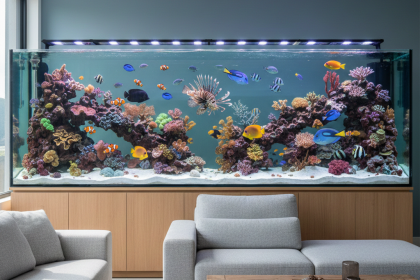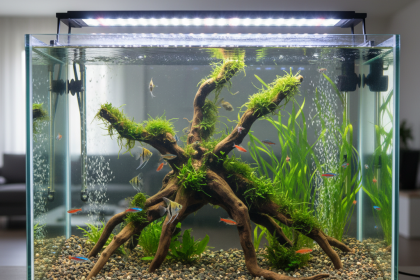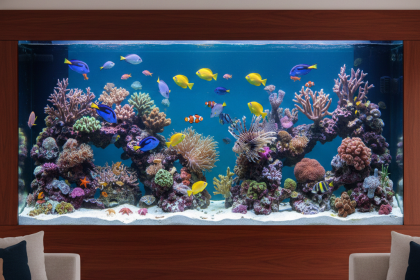
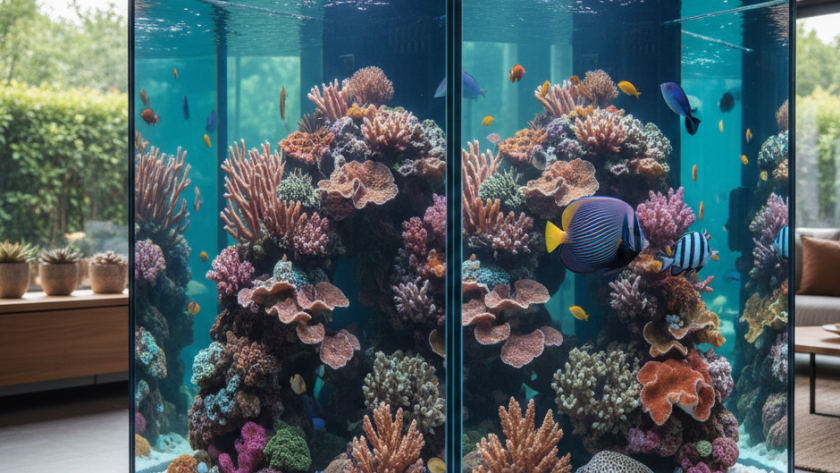
Keeping your aquarium glass clean is not just about aesthetics. A clear viewing panel is a direct indicator of a healthy aquatic environment, proper filtration, and balanced water chemistry. This pillar guide explains how to clean aquarium glass the right way — safely, systematically, and with long-term maintenance in mind.
Whether you maintain a planted tank, a nano setup, or a large community aquarium, understanding the fundamentals of glass care helps keep algae, mineral residue, and stains under control. This resource builds your core understanding while serving as a central hub for more advanced, specific cleaning topics.
Understanding Aquarium Glass and Why Cleanliness Matters
Aquarium glass is the barrier that separates you from your underwater ecosystem, but it also plays a role in light penetration, algae management, and overall tank health. Over time, algae films, white calcium deposits, and chemical residue can accumulate, blocking light and creating stress for plants and fish. Dirty glass is also a symptom of deeper issues — excessive nutrients, insufficient filtration, or unstable water parameters.
Clean glass supports:
- Proper photosynthesis for plants
- Accurate monitoring of fish health
- Efficient tank lighting
- A stable, predictable maintenance rhythm
This guide establishes the fundamentals and directs you to deeper, task-specific resources when you need them.
The Core Components of a Clean, Healthy Aquarium
A spotless aquarium glass surface is ultimately the result of harmony within the tank. There are three core components every aquarist must understand:
Biological Control: The Nitrogen Cycle
The nitrogen cycle drives waste processing. Beneficial bacteria convert ammonia → nitrite → nitrate, maintaining an environment where algae has fewer chances to bloom. Any disruption in this cycle increases bio-load stress, often leading to cloudy water and algae growth on glass.
Chemical Stability: Water Parameters
Good water chemistry prevents mineral stains and white residue from forming on the glass. Pay attention to:
- pH stability
- KH/GH (buffering capacity and hardness)
- Total dissolved solids
Hard water often leads to stubborn white calcium streaks.
Mechanical Support: Filtration
Mechanical filtration removes floating particles before they stick to glass surfaces. A well-maintained filter with fresh media ensures the tank stays clear and debris doesn’t build up.
Together, these three components form the backbone of all aquarium-glass maintenance.
Essential Maintenance Schedule for Consistently Clear Glass
A predictable cleaning schedule ensures the glass never falls behind. Below is a structured maintenance table you can follow.
Daily
- Check for rapid algae buildup on the front panel.
- Observe fish behavior — stress often leads to glass-surfing or unusual patterns.
- Ensure lighting duration is correct (6–10 hours for most tanks).
Weekly
- Use a magnet cleaner to gently remove soft algae before it hardens.
- Perform a 25–35% water change to reduce nitrates.
- Wipe the exterior glass with a non-chemical microfiber cloth (never use household glass cleaner).
Monthly
- Deep-clean all sides of the tank, including corners and hard-to-reach spots.
- Clean filter intakes and outflows to maintain proper circulation.
- Check for white residue, hard-water stains, or spot algae that may require more targeted cleaning.
Maintaining consistency is the easiest way to ensure the tank stays clear without harsh scrubbing.
Deep Dive: Filtration Systems and Media
Your filtration system plays a major role in how quickly debris and algae accumulate on glass. Every aquarist should understand the three types of filtration media:
Mechanical Filtration
Traps solid particles (fish waste, plant bits, uneaten food).
Examples: sponge, floss, filter pads.
Cleaner water = less debris sticking to glass.
Chemical Filtration
Removes dissolved impurities that can cause stains or discoloration.
Examples: activated carbon, Purigen, zeolite.
Biological Filtration
Hosts beneficial bacteria that stabilize the nitrogen cycle.
Examples: ceramic rings, bio-balls, matrix media.
Common filtration systems:
- HOB (Hang-on-Back): Great for beginners, easy to maintain.
- Canister Filters: High capacity, best for medium–large tanks.
- Sump Systems: Advanced setups with customizable chambers.
A strong filtration system reduces algae pressure and slows down glass maintenance frequency.
Deep Dive: Understanding Water Quality Testing
Consistent water testing is one of the most effective preventative strategies against dirty aquarium glass.
Key Parameters
- Ammonia (0 ppm)
Any detectable ammonia stresses fish and fuels algae blooms. - Nitrite (0 ppm)
Toxic even at low levels. Should always be zero in a cycled tank. - Nitrate (0–20 ppm for freshwater; <10 ppm for planted tanks)
High nitrate encourages algae films on glass. - pH (Varies by species; stability is more important than the number)
Drastic pH fluctuations contribute to residue buildup.
Test weekly using drop-test kits, not strips, for maximum accuracy.
Troubleshooting & Specific Tasks: When You Need Expert Help
Even with perfect routine maintenance, specific issues may occasionally appear — each requiring a focused approach. Below is a quick introduction to common problems and where to find the deeper guides for solving them:
- White mineral buildup can be stubborn. For focused handling, see How to Clean Aquarium Glass White Residue.
- Choosing safe cleaning liquids can be confusing — refer to Aquarium Glass Cleaner Liquid for recommended and safe options.
- Scratch prevention is a major concern for glass and acrylic tanks. Learn more in How to Clean Aquarium Glass Without Scratching.
- Hard water marks and etched stains need a different technique — see How to Clean Water Stains On Aquarium Glass.
- Vinegar-based cleaning is effective but must be used safely. Visit How to Clean Aquarium Glass With Vinegar for step-by-step guidance.
- Algae problems on glass come in many forms (brown, green spot, green dust). For detailed solutions, read How to Clean Fish Tank Glass Algae.
- Chemical-free cleaning is ideal for shrimp tanks, fry tanks, and sensitive species; see How to Clean Fish Tank Glass Without Chemicals.
- Magnetic cleaners help maintain clarity with minimal effort. Learn correct technique in Fish Tank Glass Cleaner Magnetic.
This section acts as your navigation hub — each specialized guide breaks down the full method in detail.
Initial Setup & Checklist for Beginners
If you’re new to aquarium maintenance, start with the right equipment. Here’s a simple checklist:
- Quality aquarium glass or acrylic tank
- Proper filtration system (HOB, canister, or sump)
- Soft algae sponge or scraper
- Magnetic glass cleaner
- Gravel vacuum or siphon
- Water test kit (ammonia, nitrite, nitrate, pH)
- Dechlorinator and water conditioner
- Bucket dedicated for aquarium use
- Aquarium-safe vinegar or cleaning tools
- Timer for lights
Having the right foundation dramatically reduces long-term maintenance issues.
Final Thoughts & Continuing Your Journey
Mastering how to clean aquarium glass is part of becoming a confident aquarist. With proper filtration, stable parameters, and a consistent routine, your glass will stay clear without constant scrubbing.
When you’re ready to explore deeper or solve specific problems, continue your journey through the linked guides — each one expands one key skill in aquarium-glass care.
If you want, I can now generate all 8 child articles, formatted, SEO-ready, and matching your structure.