
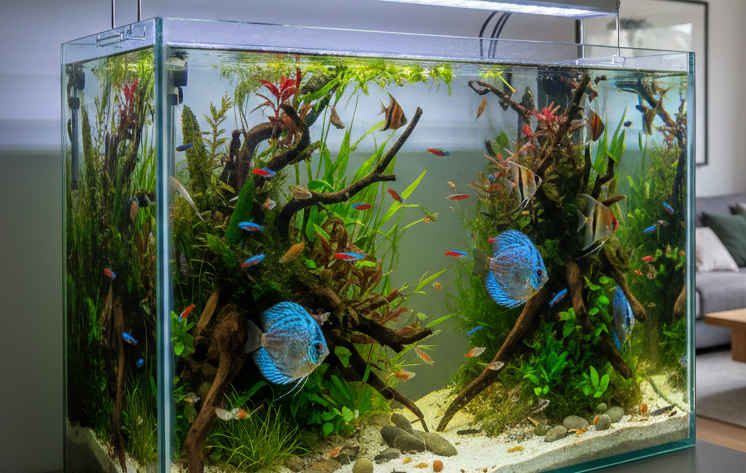
Keeping your aquarium healthy starts with clean substrate. If you prefer a simple, no-gadget routine, learning how to clean fish tank gravel by hand is both straightforward and surprisingly effective. This method is also a nice complement to the broader steps in the Complete Guide to Cleaning and Maintaining Aquarium Substrates, especially if you want a quick way to clear debris, improve water clarity, and keep your fish comfortable without relying on tools or special equipment.
Why This Happens / Why This Matters
Gravel naturally collects uneaten food, fish waste, and tiny plant fragments. Over time, this buildup forms a layer of mulm that clouds the water and creates spots where debris settles. While some waste is normal, too much can reduce water clarity and make the tank look dull. That’s why giving your gravel a periodic manual clean helps maintain a more stable environment, brighter colors, and a fresher-looking aquarium. It also keeps the water from smelling stale and stops debris from spreading every time your fish move around.
Tools & Materials List
- Clean bucket (reserved for aquarium use only)
- Small container, scooper, or cup
- Fine-mesh kitchen strainer or colander
- Old toothbrush or small brush
- Towels for catching spills
- Optional: a bowl for temporarily holding decorations
Step-by-Step Instructions
- Prepare a workspace
Set a towel near the tank and place a bucket beside you. This keeps drips and splashes manageable while you work. - Scoop out a portion of gravel
Use a small cup or container to remove the gravel you want to clean. Take it in batches so you don’t disturb the fish too much or remove too much substrate at once. - Place the gravel in a fine-mesh strainer
A kitchen strainer works perfectly. Make sure the holes are small enough so the gravel stays in place. - Rinse with room-temperature water
Hold the strainer under running water. Gently shake it or use your fingers to stir the gravel so debris loosens and washes away. Continue until the water runs clearer. - Brush decorations if needed
If the gravel contains small decorative stones, a gentle scrub with an old toothbrush helps remove algae and sticky residue. - Drain thoroughly
Let excess water drip off before returning the gravel to the tank. This prevents unnecessary cloudiness. - Return the gravel slowly
Pour the clean gravel back in gently. Aim for a low angle close to the tank floor to avoid stirring up the remaining substrate. - Repeat for remaining sections
Work in small zones. Cleaning everything at once isn’t necessary—small batches keep the tank stable and tidy. - Top up evaporated water
If water levels dropped due to scooping or splashing, add fresh dechlorinated water to bring the tank back to normal. - Observe the tank
Give the water a few minutes to settle. Any slight haze usually clears quickly after the debris has been removed by hand.
Natural / Simple Alternatives
If you prefer even gentler options, try swishing gravel in old tank water instead of tap water. You can also stir the gravel lightly during regular partial water changes; the movement lifts debris so you can scoop it out with a cup. Adding live plants helps too, as they naturally trap and use some organic waste. For a hands-only method, using just your fingers to comb through the gravel during maintenance can lift pockets of debris without removing large amounts of substrate.
Troubleshooting
If the water looks cloudy after cleaning, let it settle for a short while—gravel dust often clears on its own. If debris keeps floating around, scoop leftover particles with a cup and discard them. For gravel that smells earthy or stale, try rinsing more thoroughly or cleaning in smaller portions. If the substrate feels sticky or clumped, break it apart in the strainer under running water to remove trapped waste.
Prevention / Simple Maintenance Tips
Stir the gravel lightly during regular water changes so debris doesn’t settle long-term. Avoid overfeeding, which is a common cause of excess waste in the substrate. Rotate your cleaning zones so each section stays fresh without major disruption. Adding a few hardy live plants helps keep the overall tank cleaner, and topping up evaporated water consistently keeps things stable.
Closing
Cleaning your substrate manually is a simple, effective habit. By learning how to clean fish tank gravel by hand, you keep your aquarium clear, balanced, and pleasant to look at—all without relying on tools. Small, steady care goes a long way toward a brighter and healthier tank.