How To Clean A Dirty Baking Sheet
Learning how to clean a dirty baking sheet doesn’t have to be a frustrating chore. Whether you’re dealing with burnt-on grease, stubborn stains, or discoloration from years of use, the right approach can restore your baking sheets to near-new condition. This comprehensive guide will walk you through proven methods to tackle even the toughest baked-on grime using simple household ingredients.
Why This Happens
Baking sheets accumulate stubborn residue through normal use. When fats, oils, and sugars from food heat up in the oven, they undergo a process called polymerization—essentially bonding to the metal surface. High temperatures accelerate this process, creating that brownish, sticky layer that regular dish soap can’t touch.
Over time, repeated heating cycles cause these layers to build up and darken, creating what looks like permanent staining. The good news? Most of this buildup isn’t actually permanent. Understanding why it happens helps you choose the most effective cleaning method for your specific situation.
Tools & Materials You’ll Need
- Baking soda (½ cup)
- White vinegar (½ cup)
- Hydrogen peroxide (¼ cup)
- Dish soap
- Non-scratch scrubbing pad or sponge
- Soft cloth or paper towels
- Hot water
- Optional: coarse salt for extra abrasion
Step-by-Step Cleaning Instructions
Step 1: Prepare Your Baking Sheet
Remove any loose debris or crumbs from the surface. Rinse the sheet with warm water to clear away surface-level residue. This initial prep makes the cleaning agents more effective.
Step 2: Create Your Cleaning Paste
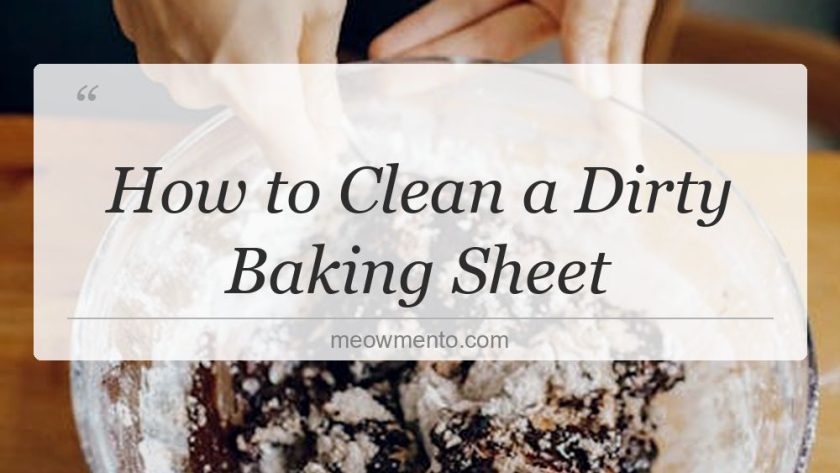
Sprinkle a generous layer of baking soda across the entire surface of the baking sheet. You want enough to create a thick paste—about ½ cup for a standard sheet. The baking soda acts as a gentle abrasive while also neutralizing acidic residues.
Step 3: Add Hydrogen Peroxide
Pour hydrogen peroxide over the baking soda until it forms a spreadable paste. Use your fingers or a sponge to spread this mixture evenly across all stained areas. The chemical reaction between these two ingredients helps lift stubborn grime.
Step 4: Let It Work
Allow the paste to sit for at least 2-3 hours, or overnight for heavily soiled sheets. During this time, the mixture penetrates the baked-on layers, breaking down the bonds between grime and metal. Don’t let it dry completely—spray with water if needed.
Step 5: Scrub Away Residue
Using a non-scratch scrubbing pad, work in circular motions across the surface. Apply firm but gentle pressure. The grime should lift away relatively easily. For extra-stubborn spots, sprinkle additional baking soda directly on those areas while scrubbing.
Step 6: Rinse and Repeat
Rinse thoroughly with hot water. Inspect the sheet for any remaining stains. If needed, repeat the process on problem areas. Sometimes heavily stained sheets require a second treatment to achieve optimal results.
Step 7: Final Wash
Wash with regular dish soap and warm water, then dry completely with a soft cloth. This removes any residual cleaning agents and prevents water spots.
Simple Natural Alternatives
If you prefer different methods, try the vinegar and baking soda combination. Sprinkle baking soda on the sheet, then spray or pour vinegar over it. The fizzing action helps loosen grime. Let it sit for 30 minutes before scrubbing.
Another effective approach uses cream of tartar mixed with vinegar. Create a paste using equal parts of each, apply to stains, and let sit for an hour before scrubbing away.
For lightly soiled sheets, simply soaking in hot water with dish soap and a dryer sheet overnight can work wonders. The conditioning agents in the dryer sheet help release stuck-on food particles.
Common Issues and Solutions
Problem: Discoloration won’t come off.
Some discoloration on aluminum sheets is actually oxidation, not dirt. While harmless, it’s often permanent. Focus on removing actual residue rather than pursuing a perfect shine.
Problem: Scratches appearing during cleaning.
Switch to softer scrubbing tools immediately. Avoid steel wool or abrasive metal brushes, especially on non-stick surfaces. A paste of baking soda alone provides enough gentle abrasion for most situations.
Problem: Sticky residue remains.
This indicates you need more soaking time. Reapply your cleaning solution and wait longer before scrubbing. Patience is key with polymerized oils.
Keeping Your Sheets Clean Longer
Line your baking sheets with parchment paper or silicone mats whenever possible. This simple barrier prevents most direct contact between food and metal, dramatically reducing buildup.
Clean sheets promptly after each use—even a quick wash prevents residue from hardening. If you notice any stuck-on bits, address them immediately rather than waiting. Regular maintenance means you’ll rarely need deep-cleaning sessions.
Avoid extreme temperature shocks by letting sheets cool before washing. This prevents warping and makes cleaning easier.
Your Baking Sheets Can Look Great Again
With these proven techniques, knowing how to clean a dirty baking sheet becomes second nature. The baking soda and hydrogen peroxide method works remarkably well for most situations, but having alternative approaches ensures you can always find a solution. For more detailed cleaning tips and ongoing maintenance strategies, check out our complete guide on How To Clean Baking Sheets. Your restored baking sheets are ready for many more delicious creations.