How To Make Plant Leaves Shiny
Discovering how to make plant leaves shiny transforms dull, dusty foliage into vibrant, eye-catching displays that brighten any room. Shiny leaves aren’t just aesthetically pleasing—they’re also a sign of healthy plants that can properly absorb light and perform photosynthesis efficiently. This comprehensive guide walks you through proven methods to restore that natural glossy finish to your houseplants using simple household items and proper care techniques.
Why Plant Leaves Lose Their Shine
Understanding why leaves become dull helps you maintain their natural luster. Dust accumulation is the primary culprit, settling on leaf surfaces and blocking light while creating a matte appearance. Hard water mineral deposits leave behind chalky residue that dulls the foliage over time. Additionally, natural oils from human handling, pest residue, and even the waxy coating breaking down as leaves age all contribute to lackluster leaves.
Indoor plants particularly struggle with shine because they don’t benefit from natural rain that washes outdoor plants clean. Low humidity environments also cause leaves to appear less vibrant. Regular cleaning becomes essential for maintaining that coveted glossy appearance while supporting overall plant health.
Tools and Materials You’ll Need
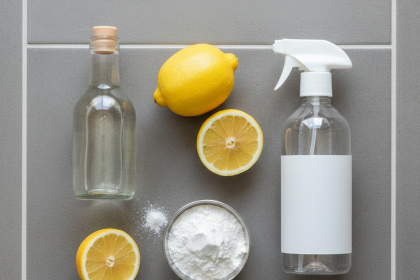
- Soft microfiber cloths or cotton rags
- Spray bottle with clean water
- Small bowl for mixing solutions
- Lukewarm distilled or filtered water
- Mild liquid dish soap (optional)
- White vinegar (optional)
- Coconut oil or olive oil (optional)
- Soft-bristled brush or makeup brush
Step-by-Step Instructions
Step 1: Remove Surface Dust
Start by gently wiping each leaf with a dry microfiber cloth to remove loose dust and debris. Support the leaf from underneath with one hand while wiping from the stem toward the tip. This prevents tearing or damaging delicate foliage.
Step 2: Prepare Your Cleaning Solution
Fill your spray bottle with lukewarm distilled water. For stubborn grime, add 2-3 drops of mild dish soap per cup of water and shake gently. Distilled water prevents mineral deposits that tap water leaves behind.
Step 3: Wipe Down the Leaves
Lightly mist the leaves with your cleaning solution, then wipe each one with a damp cloth. Clean both the top and bottom surfaces, as pests and dust accumulate on undersides too. Rinse your cloth frequently to avoid redistributing dirt. For more detailed cleaning techniques, check out our guide on How To Clean Plant Leaves.
Step 4: Dry Thoroughly
Use a clean, dry cloth to gently buff each leaf. This removes excess moisture and begins revealing the natural shine. Pay special attention to where the leaf meets the stem, where water tends to pool.
Step 5: Optional Polish Application
For extra shine, place a tiny amount of coconut oil or olive oil on a cloth (less than a pea-sized drop). Lightly buff the top surface of each leaf. Use extremely sparingly—too much oil clogs pores and attracts dust.
Step 6: Let Plants Rest
Allow your plants to dry completely in indirect light. Avoid direct sunlight immediately after cleaning, as water droplets can magnify light and burn leaves.
Natural Alternatives for Shiny Leaves
Several natural methods safely enhance leaf shine without commercial products. Milk solution works surprisingly well—mix equal parts milk and water, apply with a soft cloth, then buff dry. The proteins create a gentle, natural sheen.
Banana peels are another traditional method. Rub the inside of a peel gently across leaves, then wipe clean with a damp cloth. The natural oils and potassium add subtle shine while providing minor nutrients.
Simply increasing humidity around your plants through misting, pebble trays, or humidifiers naturally improves leaf appearance. Well-hydrated plants maintain their glossy coating better than those in dry environments.
Troubleshooting Common Problems
If leaves appear sticky after cleaning, you’ve used too much soap or oil. Rewipe with plain distilled water and dry thoroughly. White streaks indicate hard water minerals—switch to distilled water and wipe with a vinegar solution (one part vinegar to four parts water) to remove buildup.
When leaves remain dull despite cleaning, check for pest infestations like spider mites or scale, which leave residue. Inspect undersides carefully and treat accordingly. Sometimes older leaves naturally lose vibrancy—this is normal plant aging, not a cleaning issue.
If leaves develop brown spots after polishing, you may have applied oil too heavily or exposed them to direct sunlight too quickly. Remove excess oil immediately with soapy water.
Maintaining That Healthy Shine
Regular dusting every 1-2 weeks prevents major buildup and keeps leaves naturally glossy. A quick wipe with a dry cloth takes minimal effort but delivers maximum impact. Position plants away from heating vents and drafty windows that deposit airborne particles.
Proper watering practices support natural leaf health from within. Well-hydrated plants produce healthier leaves with better natural shine. Rotate plants monthly so all sides receive adequate light, promoting even growth and consistent appearance throughout.
Enjoy Your Gleaming Greenery
Learning how to make plant leaves shiny enhances both your plants’ health and your home’s aesthetic appeal. With regular gentle cleaning and these simple techniques, your houseplants will maintain their vibrant, glossy appearance year-round. The effort invested in proper leaf care rewards you with thriving, beautiful plants that truly shine.