What Is The Best Stain Remover For Slime
When slime gets on clothes, furniture, or carpets, you need an effective solution fast. The best stain remover for slime is typically white vinegar combined with warm water, though rubbing alcohol and commercial stain removers like OxiClean also work exceptionally well. The key is choosing a product that breaks down the slime’s sticky polymers without damaging your fabric. For comprehensive techniques on tackling slime mishaps, check out our guide on How To Remove Slime On Clothes.
Why Slime Stains Are So Stubborn
Slime contains polyvinyl alcohol and borate ions that create a sticky, elastic substance. When it contacts fabric, these polymers penetrate deep into the fibers and harden as they dry. The colorants and additives in slime—especially glitter, food coloring, or metallic pigments—make matters worse by binding to the material.
Traditional laundry detergent alone often fails because it’s designed for everyday dirt and oils, not polymer-based substances. That’s why you need specialized stain removers that can dissolve or break apart these chemical bonds without setting the stain permanently.
Tools & Materials List
- White vinegar
- Rubbing alcohol (isopropyl alcohol 70% or higher)
- OxiClean or similar oxygen-based stain remover
- Dish soap (Dawn recommended)
- Warm water
- Soft-bristle brush or old toothbrush
- Clean white cloths or paper towels
- Spray bottle
- Ice cubes (for fresh slime)
Step-by-Step Instructions
Step 1: Remove excess slime. If the slime is still wet, use ice cubes to freeze it for 10-15 minutes. Once hardened, gently scrape off as much as possible with a butter knife or spoon. Avoid rubbing, which pushes slime deeper into fibers.
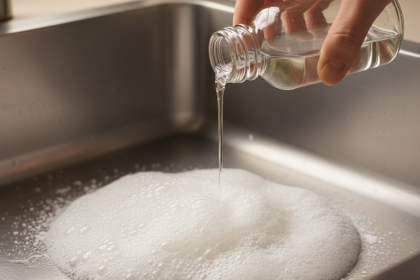
Step 2: Apply white vinegar. Pour undiluted white vinegar directly onto the stain, saturating the affected area completely. Let it sit for 5-10 minutes. The acid in vinegar breaks down the slime’s polymer structure effectively. For larger stains, use a spray bottle for even coverage.
Step 3: Gently scrub the area. Using a soft-bristle brush or old toothbrush, work the vinegar into the fabric using circular motions. You’ll notice the slime beginning to dissolve and lift away from the fibers.
Step 4: Rinse with warm water. Flush the treated area with warm water to remove dissolved slime and vinegar. Check your progress—if residue remains, repeat steps 2-4.
Step 5: Apply rubbing alcohol (if needed). For stubborn stains or colored slime residue, dab rubbing alcohol onto a clean cloth and blot the stain. The alcohol dissolves both the slime and many dyes without spreading the stain.
Step 6: Pre-treat with OxiClean. Mix OxiClean with warm water according to package directions. Apply to any remaining discoloration and let soak for 15-30 minutes. This oxygen-based cleaner tackles set-in stains and color residue.
Step 7: Launder as usual. Wash the item in the warmest water safe for the fabric. Air dry first to ensure the stain is completely gone—heat from the dryer can permanently set any remaining residue.
Natural & Simple Alternatives
If you prefer gentler, natural options, several household items work surprisingly well. Liquid dish soap mixed with warm water creates a solution that breaks down slime’s oily components. Apply it directly, work it in with your fingers, and rinse thoroughly.
Baking soda paste (three parts baking soda to one part water) provides mild abrasive action that lifts slime without harsh chemicals. It’s especially effective on carpets and upholstery.
For delicate fabrics like silk or wool, try club soda. The carbonation helps lift stains gently. Blot repeatedly with a clean cloth soaked in club soda until the slime dissolves.
Troubleshooting Common Issues
If the stain persists after treatment, you may be dealing with dye transfer rather than slime residue. Try a color-safe bleach or hydrogen peroxide solution (test on hidden areas first). Apply sparingly and rinse quickly to prevent fabric damage.
For glittery slime, use masking tape or a lint roller after the main stain is removed. Press firmly and peel away to capture stubborn sparkles embedded in the fabric.
When working with dried, crusty slime, never pull or pick at it aggressively. Instead, rehydrate the area with warm water and vinegar for 15-20 minutes before attempting removal. This softens the hardened polymers and prevents fabric tearing.
Prevention & Simple Maintenance Tips
The best defense is keeping slime play contained. Designate a slime-safe area with washable surfaces and keep play sessions supervised. Consider using old sheets or plastic tablecloths as protective barriers.
Store slime in airtight containers immediately after use to prevent accidental spills. Keep stain-fighting supplies like vinegar and rubbing alcohol readily accessible in your laundry area for quick response.
Act fast when spills happen—fresh slime removes much easier than dried. Address stains within the first 30 minutes for best results.
Final Thoughts on Slime Stain Removal
Knowing what is the best stain remover for slime saves frustration and keeps your fabrics looking fresh. White vinegar remains the top choice for most situations, with rubbing alcohol and OxiClean as excellent backup options. With these tools and techniques ready, you’ll handle any slime emergency confidently and restore your items to pristine condition.