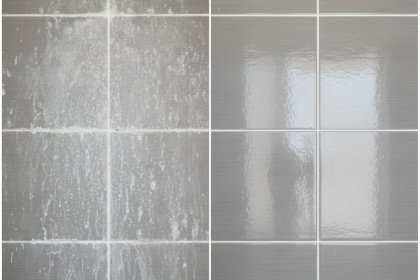

How To Clean Wood Cabinets With Common Household Items
Learning how to clean wood cabinets with everyday household products can save you money while keeping your kitchen looking beautiful. Instead of buying expensive commercial cleaners, you likely already have everything you need in your pantry. This guide will show you simple, effective methods using safe ingredients that won’t damage your wood finish while delivering sparkling results.
Why Using Household Items Matters
Commercial wood cleaners often contain harsh chemicals that can strip protective finishes or leave sticky residue over time. Household items like vinegar, dish soap, and oil provide gentle yet effective cleaning power without the chemical overload. These natural solutions are safer for your family, especially in a kitchen environment where food is prepared. They’re also significantly more affordable and reduce plastic waste from buying multiple specialized products.
Understanding what works—and why—helps you make informed choices about cabinet care. Most wood cabinet finishes respond beautifully to mild, pH-balanced solutions that cut through grease without compromising the protective seal.
Tools & Materials List
- Microfiber cloths (at least 3)
- Soft sponge or non-abrasive scrubbing pad
- Small bowl for mixing solutions
- Warm water
- Dish soap (mild, without bleach)
- White vinegar
- Olive oil or mineral oil
- Baking soda (for stubborn stains)
- Spray bottle (optional)
Step-by-Step Instructions
Step 1: Clear and Dust
Remove items from cabinet surfaces and wipe away loose dust with a dry microfiber cloth. This prevents scratching when you begin wet cleaning.
Step 2: Mix Your Cleaning Solution
Combine 2 cups of warm water with 1 teaspoon of mild dish soap in a bowl. For extra grease-cutting power, add 1 tablespoon of white vinegar. This gentle solution works on most sealed wood finishes.
Step 3: Test in a Hidden Spot
Before cleaning visible areas, test your solution on an inconspicuous spot, like the inside edge of a door. Wait 5 minutes to ensure no discoloration occurs.
Step 4: Clean Cabinet Surfaces
Dip your cloth into the solution and wring it out thoroughly—it should be damp, not soaking. Wipe cabinets following the wood grain direction. Work in sections, starting from top to bottom to catch drips.
Step 5: Address Stubborn Grease
For sticky buildup, make a paste with baking soda and water. Apply gently with a soft cloth, rub in circular motions, then wipe clean immediately. Never let baking soda sit longer than 30 seconds on finished wood.
Step 6: Rinse With Clean Water
Use a fresh cloth dampened with plain water to remove any soap residue. This step prevents cloudy buildup over time.
Step 7: Dry Thoroughly
Immediately dry all surfaces with a clean microfiber cloth. Excess moisture is wood’s enemy and can cause warping or finish damage.
Step 8: Optional Polish
For extra shine, mix equal parts olive oil and white vinegar. Apply sparingly with a cloth, buff gently, and wipe away excess. This creates a beautiful, protective sheen.
Natural Alternatives for Different Cleaning Needs
If you prefer even simpler solutions, try these single-ingredient approaches. Plain warm water on a well-wrung cloth works surprisingly well for light, regular cleaning—perfect for weekly maintenance.
For a quick polish without mixing, dab a small amount of coconut oil on a cloth and buff cabinet surfaces. The natural oils condition wood while adding subtle luster. Black tea is another unexpected option: brew strong tea, let it cool, dampen a cloth, and wipe cabinets. The tannic acid cuts grease naturally while enhancing wood’s color depth.
Troubleshooting Common Issues
If you notice white cloudiness after cleaning, you’ve likely left soap residue. Re-wipe with a vinegar-water solution (1:3 ratio) to remove buildup and restore clarity.
Sticky spots that won’t budge may need repeated applications. Apply your cleaning solution, let it sit for 2-3 minutes to soften the grime, then gently wipe again. Patience works better than aggressive scrubbing.
For water rings or spots, rub gently with a cloth dampened in mayonnaise, let it sit for 10 minutes, then buff clean. The oils help lift moisture marks from wood finishes.
Prevention and Simple Maintenance Tips
Wipe cabinet fronts weekly with a dry or slightly damp cloth to prevent grease accumulation. Install a quality range hood to minimize airborne cooking oils that settle on surfaces.
Handle cabinets with clean hands when possible, and address spills immediately before they harden. These small habits dramatically reduce the need for deep cleaning sessions. Consider placing small adhesive bumpers inside cabinet doors to prevent moisture transfer from repeated contact.
Keep Your Cabinets Beautiful
Now you know exactly how to clean wood cabinets with simple household items that are effective, affordable, and safe. Regular maintenance using these methods keeps your kitchen looking fresh without harsh chemicals. For more detailed techniques and cabinet care strategies, explore our comprehensive guide on How To Clean Wood Cabinets. Your cabinets will thank you with lasting beauty and durability.