
What Gets Dried Coffee Stains Out
Discovering a dried coffee stain on your favorite shirt, carpet, or upholstery can be frustrating, but it’s far from hopeless. Understanding what gets dried coffee stains out effectively involves using common household items and the right techniques to break down the tannins that cause those stubborn brown marks. Whether you’re dealing with fabric, carpet, or other surfaces, removing set-in coffee stains is achievable with patience and the proper approach.
Why This Happens and Why This Matters
Coffee contains tannins, which are natural compounds that bind quickly to fabric fibers and other porous materials. When coffee spills aren’t cleaned immediately, these tannins oxidize and set into the material, creating a more permanent-looking stain. The longer a coffee stain sits, the deeper it penetrates and the harder it becomes to remove.
Acting on dried coffee stains matters because the longer they remain, the more likely they become permanent. The good news is that even old coffee stains can often be lifted with the right cleaning solutions that target and break down these tannin bonds. Understanding this chemical process helps you choose the most effective treatment method for successful stain removal.
Tools and Materials List
- White vinegar
- Dish soap (clear or light-colored)
- Baking soda
- Clean white cloths or paper towels
- Cold water
- Spray bottle
- Soft-bristled brush or old toothbrush
- Bowl for mixing solutions
Step-by-Step Instructions
Step 1: Rehydrate the Stain
Dampen the dried coffee stain with cold water. This helps soften the hardened tannins and makes them more receptive to cleaning solutions. Blot gently with a clean white cloth—never rub, as this can spread the stain or push it deeper into fibers.
Step 2: Apply Vinegar Solution
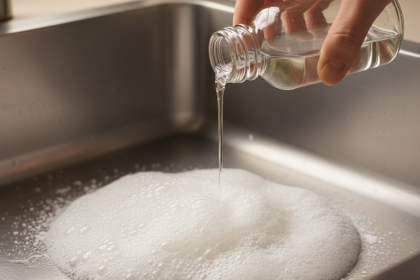
Mix equal parts white vinegar and cold water in a spray bottle or bowl. Vinegar’s acidity effectively breaks down coffee tannins. Apply the solution generously to the stained area and let it sit for 5-10 minutes. The vinegar will begin neutralizing the stain’s chemical bonds.
Step 3: Add Dish Soap
Apply a small amount of dish soap directly to the dampened stain. Using your fingers or a soft brush, gently work the soap into the fabric in circular motions. Dish soap cuts through any oily residue that may be present alongside the coffee stain.
Step 4: Blot and Rinse
Use a clean, damp cloth to blot the treated area, lifting away the loosened stain particles. Rinse the cloth frequently and continue blotting until no more coffee color transfers to the cloth. For washable fabrics, rinse thoroughly under cold running water.
Step 5: Treat Stubborn Residue
If any stain remains, create a paste using three parts baking soda to one part water. Apply this paste to the remaining stain and let it sit for 15-20 minutes. The baking soda acts as a gentle abrasive and absorbs remaining discoloration.
Step 6: Final Rinse and Dry
Rinse away all cleaning solutions completely with cold water. For fabrics, launder as usual. For carpets or upholstery, blot with clean water until all residue is removed, then air dry or use fans to speed drying. For more detailed carpet-specific techniques, check out How To Get Coffee Out Of Carpet.
Natural and Simple Alternatives
If you prefer natural cleaning methods, lemon juice works similarly to vinegar due to its natural acidity. Apply fresh lemon juice to the stain, let it sit for 10 minutes, then rinse thoroughly.
Club soda is another gentle option that works well on fresh-to-moderately-dried stains. The carbonation helps lift stains from fibers without harsh chemicals. Pour it directly on the stain and blot repeatedly.
For delicate fabrics, a simple solution of cold water and salt can be surprisingly effective. The salt crystals absorb the stain while the water keeps it workable. This method requires more patience but is extremely fabric-safe.
Troubleshooting
If the stain persists after your first attempt, don’t apply heat. Hot water or heat from a dryer will permanently set the stain. Instead, repeat the vinegar and dish soap treatment, allowing longer soak times.
For particularly old or stubborn stains, consider using hydrogen peroxide (3% solution) on white or colorfast fabrics only. Test on an inconspicuous area first, as it can bleach some colors.
When dealing with delicate materials like silk or wool, consider professional cleaning rather than risking damage with home treatments. Some fabrics require specialized care that household methods can’t provide safely.
Prevention and Simple Maintenance Tips
The best way to handle coffee stains is preventing them from setting in the first place. Blot spills immediately with a clean cloth before they have time to dry and bond with fibers.
Keep a small emergency stain kit handy containing a spray bottle of diluted vinegar solution and clean cloths. Quick treatment prevents most stains from becoming permanent problems.
Consider using fabric protectors on upholstery and carpets in high-risk areas. These products create an invisible barrier that gives you extra time to clean up spills before they penetrate deeply.
Final Thoughts on Coffee Stain Removal
Knowing what gets dried coffee stains out empowers you to tackle these common accidents confidently. With vinegar, dish soap, and a little patience, most dried coffee stains can be successfully removed from various surfaces. Remember that persistence and the right technique matter more than expensive specialty products when dealing with set-in stains.