Hard water stains can make tile surfaces look dull, cloudy, and permanently dirty even after regular cleaning, which is why many people ask what removes hard water stains from tile in a way that actually works. The answer becomes much clearer once you understand how mineral buildup forms and how different surfaces respond to cleaning methods. This focused guide fits into The Complete Guide to Removing Hard Water Stains from Shower Surfaces, where tile cleaning is explained as part of a bigger system—helping you remove existing stains effectively while preventing them from coming back in the long run.
Why This Happens / Why This Matters
Hard water contains high levels of minerals, mainly calcium and magnesium. When water dries on tile surfaces, these minerals are left behind as a white, chalky residue. Over time, the buildup hardens and becomes harder to remove with regular soap or all-purpose cleaners.
This matters because mineral deposits don’t just affect appearance. Left untreated, they can trap dirt, make tiles feel rough, and even discolor grout. Understanding why stains form helps you choose cleaners that dissolve minerals instead of just spreading them around.
Tools & Materials List
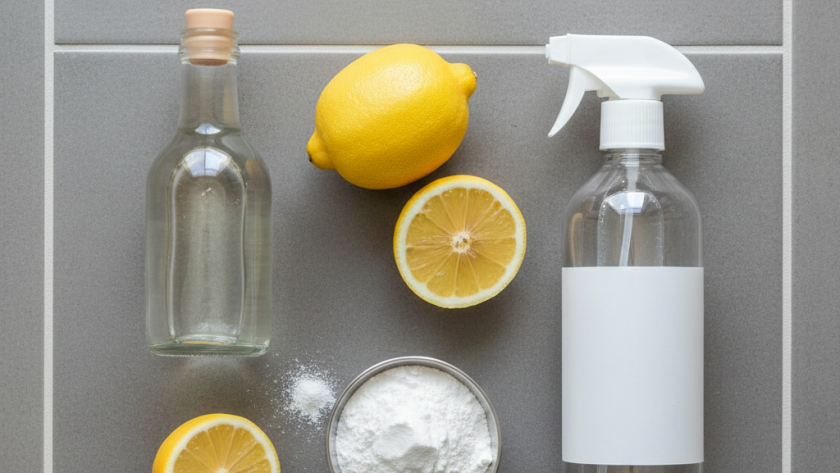
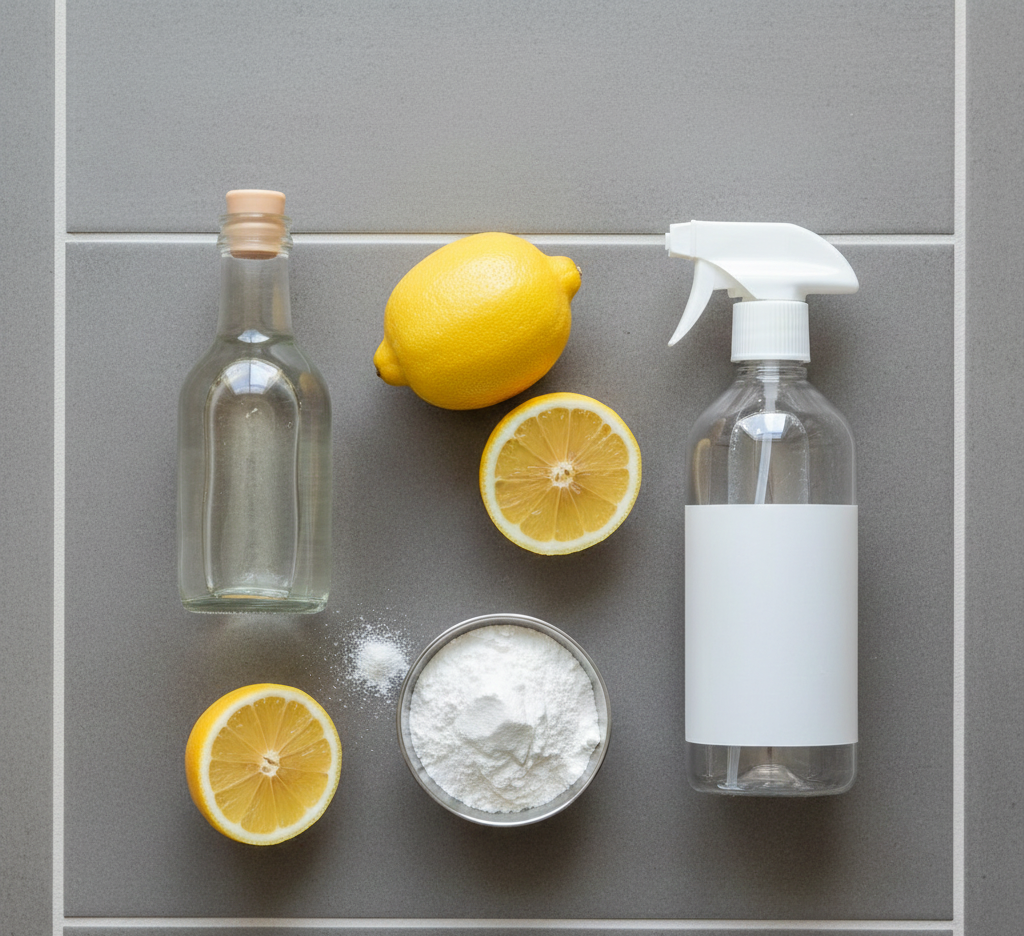
You don’t need much to get started. Most items are easy to find at home or in any store:
- White vinegar
- Baking soda
- Spray bottle
- Soft sponge or microfiber cloth
- Old toothbrush (for grout lines)
- Warm water
- Dry towel or cloth
Step-by-Step Instructions
Follow these steps to safely and effectively remove hard water stains from tile surfaces.
- Clear the tile surface
Remove any items around the area and rinse the tile with warm water. This helps loosen surface dirt so you’re working directly on the mineral buildup. - Apply vinegar to dissolve minerals
Fill a spray bottle with white vinegar and spray it generously over the stained tile. Vinegar works well because it reacts with calcium deposits and softens them naturally. - Let it sit briefly
Allow the vinegar to sit on the tile for about 5–10 minutes. This dwell time is important—it gives the acid enough time to break down the hardened residue. - Gently scrub the surface
Use a soft sponge or microfiber cloth to scrub the tile in circular motions. Avoid abrasive pads, as they can scratch glazed tile finishes. - Address stubborn spots with baking soda
For heavier stains, sprinkle a small amount of baking soda onto the damp tile. Scrub gently to create a mild abrasive action that lifts remaining residue. - Clean grout lines carefully
Dip an old toothbrush into vinegar or a vinegar–baking soda paste and scrub along grout lines. This targets buildup where minerals often settle. - Rinse thoroughly
Rinse the entire area with warm water to remove all residue and cleaner. This prevents streaks or leftover film. - Dry the tile completely
Wipe the tile with a dry towel or cloth. Drying is key to preventing new mineral spots from forming immediately.
Natural / Simple Alternatives
If vinegar isn’t available or you prefer variety, there are other simple options that work well on tile:
- Lemon juice acts similarly to vinegar and leaves a fresh scent.
- Warm water and mild dish soap can help with light mineral haze when stains aren’t fully set.
- Hydrogen peroxide (for grout only) can brighten discolored grout caused by mineral buildup.
These alternatives are easy to rotate depending on what you have at home and how severe the stains are.
Troubleshooting
Sometimes stains don’t disappear right away. Here’s how to handle common issues:
- Stains still look cloudy: Repeat the vinegar treatment and extend the sit time slightly.
- Rough texture remains: Use baking soda again with gentle pressure to lift leftover deposits.
- Grout looks darker: Focus on targeted brushing and rinse more thoroughly.
- Streaks appear after cleaning: This usually means residue was left behind—rinse and dry again.
Patience and repetition usually solve most stubborn buildup problems.
Prevention / Simple Maintenance Tips
Preventing hard water stains is easier than removing them later:
- Wipe tiles dry after showers or cleaning.
- Do a quick vinegar spray once a week to stop buildup early.
- Avoid letting water sit on tile surfaces for long periods.
- Clean grout lines regularly before minerals harden.
Small habits make a big difference over time.
Closing
Knowing what removes hard water stains from tile saves time, effort, and frustration. By using simple ingredients like vinegar and baking soda, following clear steps, and keeping up with light maintenance, you can keep tile surfaces clean, smooth, and bright without turning cleaning into a major chore.