Overview & Definition
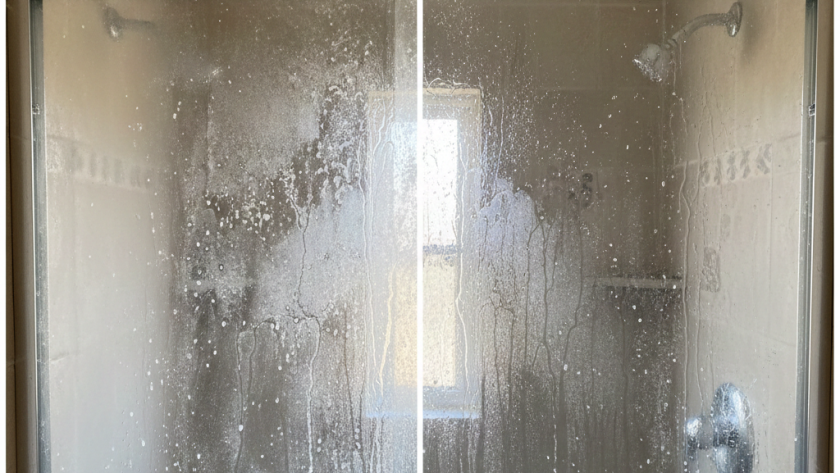
Hard water stains are one of the most persistent cleaning challenges found in bathrooms. These cloudy white, chalky, or sometimes brownish spots form when mineral-rich water (especially calcium and magnesium) evaporates and leaves deposits behind. Over time, the build-up becomes harder, more stubborn, and can even etch materials like glass, tile, and chrome.
Understanding how to remove hard water stains from shower surfaces is essential not just for aesthetics, but also for long-term durability. Mineral deposits can weaken sealants, dull finishes, and make your shower look older than it really is.
This guide walks you through the science behind the stains, the proven cleaning mechanisms, the routine schedule needed to keep showers spotless, and expert methods for restoring glass, tile, and metal. In the middle of this guide, you will find the hub section that leads you to deeper, task-specific articles for every type of surface and situation.
The Core Components (Biological, Chemical, Mechanical)

Hard water staining is not caused by bacteria or algae, but the same principles used in cleaning science apply: biological, chemical, and mechanical processes. Understanding how these forces interact helps you choose the correct method for each surface.
Biological Components
While biological growth (soap scum mixed with microbes) is different from mineral stains, stains often bind with organic residue. This means biological cleaners (enzymatic formulas) are sometimes used as a pre-treatment to break down grime so acids can reach the mineral layer.
There is no biological method that removes calcium or magnesium deposits, but biological breakdown reduces workload and prevents layered build-up.
Chemical Components
This is the heart of hard-water removal. Hard water stains dissolve under acidic reactions, which break down alkaline minerals. The most effective chemicals include:
- Acetic acid (vinegar) – Mild, safe for daily use, excellent for glass and tiles.
- Citric acid – Stronger than vinegar; ideal for moderate stains.
- Sulfamic or phosphoric acid-based cleaners – Heavy-duty solutions for stubborn deposits.
- Specialized descalers – Designed for shower doors, tile, and even car glass.
Chemical cleaning works when the acid has time to sit, react, and soften mineral layers. Rushing this process makes cleaning harder.
Mechanical Components
Mechanical cleaning is everything that involves abrasion or physical removal:
- Non-scratch scrubbing pads
- Melamine foam sponges
- Squeegees
- Razor scrapers (for glass only, used correctly!)
Mechanical force removes loosened minerals after the chemical step softens them. The mistake many homeowners make is scrubbing too hard before breaking down the deposits. Proper sequencing prevents scratches and makes the process far easier.
Essential Maintenance Schedule (The How-To)
A predictable routine prevents build-up from forming and eliminates the need for heavy restoration. Below is a practical shower maintenance cycle you can follow.
Daily Care
These micro-tasks take seconds but dramatically reduce stains.
- Squeegee the glass doors and tiles after every shower.
- Wipe chrome fixtures to prevent fresh droplets from drying.
- Ventilate the bathroom for at least 20 minutes.
- Optional: Daily shower sprays (mild acidic or enzyme-based).
Weekly Maintenance
This schedule removes early mineral residue before it hardens.
- Warm vinegar spray soak:
- Fill a bottle with warm white vinegar.
- Spray glass, tile, and metal.
- Let sit 10–20 minutes before rinsing.
- Scrub with a non-scratch pad to remove softened deposits.
- Clean grout lines with a toothbrush dipped in vinegar.
- Check door tracks for residue and flush with hot water.
Monthly Deep Clean
Once a month, perform a deeper descale.
- Apply a stronger acidic solution (citric acid or shower descaler).
- Let it sit 15–30 minutes—reaction time is critical.
- Use melamine foam for tiles and doors.
- Detail fixtures using vinegar-soaked cloth wraps.
- Polish surfaces with a neutralizing rinse (baking soda water) to restore shine.
Quarterly or Seasonal Tasks
- Inspect sealants for damage caused by mineral buildup.
- Buff glass doors with a glass polish if etching appears.
- Re-coat tiles or glass with hydrophobic protection if needed.
Deep Dive: Filtration Systems and Media
While filtration systems are normally discussed in water treatment contexts, the principles apply directly to managing hard water inside the home.
Mechanical Filtration
In household settings, this refers to showerhead filters or inline mesh screens. These capture sediment and larger mineral particles, reducing early buildup. Over time, scaling clogs showerheads, reducing pressure. Mechanical filtration slows this effect.
Chemical Filtration
Chemical filtration in the home means:
- Ion exchange softeners that swap calcium/magnesium for sodium
- Cartridge filters with citric or polyphosphate media that neutralize minerals
These systems significantly reduce the severity of stains and make maintenance far easier.
Biological Filtration
Not used for shower water, but relevant in wastewater systems. No biological medium eliminates hard water minerals, but understanding filtration principles helps you differentiate between mineral deposits and organic film.
Deep Dive: Understanding Water Quality Testing
Hard water severity varies depending on your local supply. Testing helps you determine how aggressive your cleaning schedule must be.
Key Parameters
Calcium hardness
- Ideal for household comfort: below 120 ppm
- Staining begins around 180 ppm
- Heavy scale forms above 250 ppm
Magnesium content
- Contributes to chalky, powdery residue
- Also affects how fast stains return
Total hardness (GH)
This is the combined measurement of calcium + magnesium.
- Soft: 0–60 ppm
- Moderate: 61–120 ppm
- Hard: 121–180 ppm
- Very Hard: 181+ ppm
pH level
Higher pH water (alkaline) leaves stronger deposits.
Glass and metal respond differently depending on pH and mineral content.
Why Testing Matters
If your home sits in a hard-water region, you will need:
- More frequent acidic cleaning
- Preventive coatings
- Additional mechanical tools
- Possibly water softening systems
Knowing hardness lets you create realistic expectations and stop fighting stains blindly.
Troubleshooting & Specific Tasks: When You Need Expert Help (THE LINKING HUB)
While general cleaning and maintenance prevent most issues, stubborn situations require specialized approaches. This is where your deeper task-specific guides come in.
If you’re dealing with thick mineral crusts on vertical surfaces, see How To Remove Hard Water Stains From Shower Walls.
If your stains respond well to mild acids, read How To Remove Hard Water Stains From Shower With Vinegar for the safest method.
If the problem centers on ceramic tile, learn what chemicals actually work in What Removes Hard Water Stains From Tile.
For cloudy shower doors, especially etched ones, visit What Removes Hard Water Stains From Glass Shower Doors.
If the deposits are embedded deeply in textured tile, go to How To Remove Hard Water Stains From Shower Tiles.
If the stains extend to the floor, including grout discoloration, follow How To Remove Hard Water Stains From Bathroom Floor.
To prevent the problem from returning, especially on ceramic walls, read How To Stop Water Marks On Tiles In Shower.
Each guide dives deeper into materials, chemical reactions, safe-tool usage, and long-term prevention strategies tailored to that surface.
Initial Setup & Checklist for Beginners
If you’re just starting a long-term maintenance routine, these essentials will make your workflow consistent:
- Spray bottle (for vinegar or descalers)
- Non-scratch scrub pads
- Melamine foam sponges
- Glass squeegee
- Microfiber cloths
- Citric acid powder
- Bathroom descaler (for heavy-duty needs)
- Rubber gloves and ventilation mask
- Old toothbrush for grout lines
- Optional: showerhead filter or water softener system
Final Thoughts & Continuing Your Journey
Learning how to remove hard water stains from shower surfaces is a long-term commitment, not a one-time fix. With the right chemical, mechanical, and preventative tools, your bathroom will stay clearer, brighter, and easier to maintain.
For deeper, surface-specific cleaning expertise, explore the linked child articles throughout this guide—each offering precise, professional steps tailored to your exact cleaning problem.