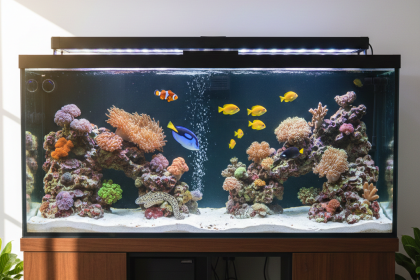
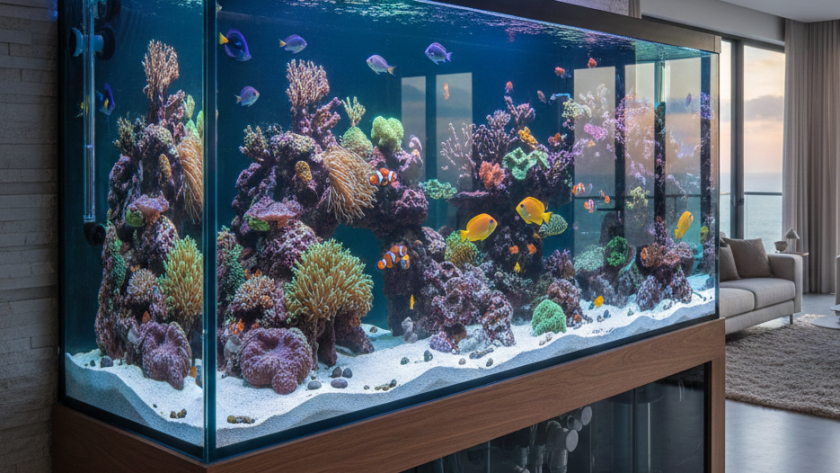
Keeping your tank clear can be challenging, especially when stubborn mineral marks start to build up. If you’re dealing with water stains on aquarium glass, don’t worry—these stains are common, removable, and preventable. This guide walks you through why they appear, the tools you’ll need, and the safest methods to clean them without harming your tank or scratching the surface, while connecting you to the broader principles covered in The Complete Guide to Cleaning and Maintaining Aquarium Glass.
Why Water Stains Appear on Aquarium Glass
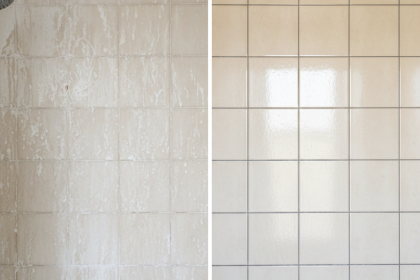
Water stains usually come from mineral deposits left behind when water evaporates. If your tap water contains calcium, magnesium, or other dissolved minerals, these can accumulate as chalky white marks along the waterline. Over time, they harden into limescale that looks cloudy or crusty.
These stains matter because they reduce visibility, make the tank look unkempt, and can become harder to remove the longer they sit. Understanding the cause helps you clean more effectively and prevent them from coming back.
Tools & Materials You’ll Need
- Clean microfiber cloths
- Soft sponge (non-abrasive)
- White vinegar
- Warm water
- Spray bottle
- Razor blade for glass tanks only (optional, used carefully)
- Plastic scraper for acrylic tanks
- Bucket or container
- Paper towels
Step-by-Step Instructions
- Prepare the Tank Area
Turn off lights and unplug any equipment near the cleaning area. If you’re only cleaning the exterior or upper interior waterline, you don’t need to remove fish. - Create a Vinegar Solution
Mix equal parts white vinegar and warm water in a spray bottle. This helps dissolve mineral deposits gently and safely. - Lower Water Level (If Cleaning Interior)
Drop the water level just enough to expose the stained area. This makes it easier to work on the affected section without disturbing the rest of the tank. - Apply the Solution Generously
Spray the stained area with the vinegar mix. Let it sit for 5–10 minutes so it can soften hardened limescale. - Gently Scrub the Stain
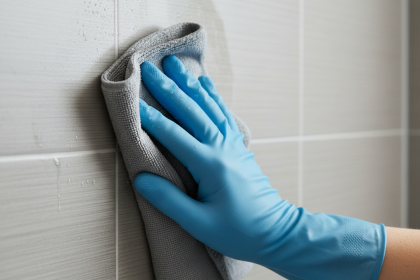
Use a soft sponge or microfiber cloth to scrub in circular motions. Avoid rough pads because they can scratch both glass and acrylic. - Use a Scraper for Stubborn Marks
If stains remain, carefully use a razor blade (glass tanks only) held at a shallow angle. For acrylic tanks, switch to a plastic scraper to avoid scratches. - Repeat as Needed
Reapply vinegar solution and scrub again until the stain lifts. Some older deposits may take two or three cycles. - Rinse Thoroughly
Wipe the area with clean warm water to remove vinegar residue. For interior cleaning, refill the tank to the normal level afterward. - Dry and Check for Streaks
Use a dry microfiber cloth to polish the glass inside and out for a clear finish.
Natural and Simple Alternatives
If you prefer not to use vinegar, several gentle options can help:
- Lemon juice: Mildly acidic and effective for light deposits.
- Baking soda paste: Good for spot scrubbing, especially on the exterior.
- Plain warm water and elbow grease: Works for newer or small deposits.
- Magnetic glass cleaner: Helps maintain clarity between deeper cleanings.
These options are safe, simple, and ideal for tanks with sensitive setups.
Troubleshooting
Stains still won’t come off.
Try increasing the soak time to 15 minutes or applying warm vinegar directly using a cloth.
Glass looks streaky after drying.
Use a dry microfiber cloth and polish in straight strokes instead of circular motions.
Scratches appear while cleaning.
Switch immediately to softer tools. Never use razor blades on acrylic tanks.
Stains keep returning.
This usually means the minerals in your tap water are high. Regular maintenance helps reduce buildup.
Prevention and Easy Maintenance Tips
Wipe the waterline every few days with a damp cloth to stop minerals from settling. Top up evaporated water promptly instead of letting the line drop too far. A magnetic glass cleaner is great for quick daily passes. Using filtered or treated water can also reduce mineral deposits on the glass. Simple habits like these keep your tank clearer for longer.
Closing
With the right tools and a simple method, removing water stains from aquarium glass is quick, safe, and repeatable. A little routine maintenance goes a long way in keeping your tank looking bright, clear, and healthy for your aquatic setup.