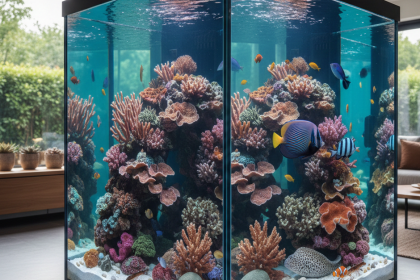

Keeping your aquarium clear doesn’t always require special products—many hobbyists prefer simple, natural methods. This guide walks you through how to clean fish tank glass without chemicals using everyday tools that are safe for your fish and easy to apply, while also building on the fundamentals covered in The Complete Guide to Cleaning and Maintaining Aquarium Glass, so you can maintain a clear view of your tank without disrupting its balance.
Why Your Glass Gets Dirty and Why It Matters
Fish tank glass becomes cloudy or stained mainly due to algae growth, mineral deposits, and leftover food particles. Algae naturally appear when there’s light and nutrients, while hard water leaves white residue on the glass over time. None of this means your tank is unhealthy—but if left untouched, buildup reduces visibility and makes the tank look dull.
Clean glass also helps you monitor your fish better. You’ll notice injuries, stress, or changes in behavior more easily when you can clearly see inside. Keeping the glass clean is an easy part of overall tank care and sets the foundation for a healthy-looking environment.
Tools & Materials You’ll Need
- Soft microfiber cloth
- Algae scraper or magnetic cleaner
- Plastic card (old ATM or ID card)
- Warm water in a spray bottle
- Soft sponge (aquarium-safe)
- Clean bucket
- Razor blade (ONLY for glass tanks, optional)
Step-by-Step Instructions
1. Prepare the Tank
Make sure your filter is running normally and your hands are clean. You don’t need to remove fish or decorations because these methods are gentle and chemical-free.
2. Start With the Outside Glass
Spray warm water lightly on the exterior and wipe using a microfiber cloth. This removes fingerprints and dust without leaving streaks.
3. Tackle Interior Algae Buildup
Use a magnetic cleaner or algae scraper to glide along the interior walls. Move slowly from top to bottom. Avoid pressing too hard—gentle pressure prevents scratches and reduces stress for your fish.
4. Use a Plastic Card for Tough Spots
For stubborn green patches, use the edge of an old plastic card. Hold it at a slight angle and scrape with controlled movements. It’s safe, effective, and won’t damage the surface.
5. For Glass Tanks, Use a Razor Blade (Optional)
If mineral marks or algae are still sticking, switch to a razor blade. Keep the angle low and push forward gently. Do NOT use this on acrylic; it scratches easily.
6. Clean the Corners
Wrap a microfiber cloth around your finger or the edge of the scraper to reach corners. Dirt often hides in the seams, so a little extra attention here makes a big difference in clarity.
7. Rinse Tools Between Passes
Each time your scraper collects algae, rinse it in a small bucket of clean water. This prevents spreading debris back onto the glass.
8. Final Wipe
After the inside looks clean, do a final outside wipe with warm water to remove any smudges or streaks created during the process.
Natural and Simple Alternatives
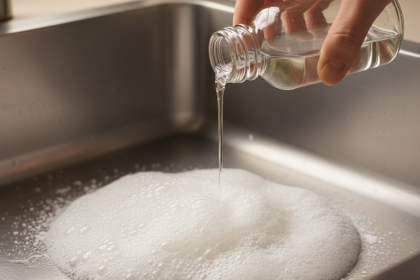
If you prefer extra cleansing without chemicals, warm water alone is often enough for maintenance. Some hobbyists dip a soft sponge in warm water and use circular motions for gentle cleaning. For mineral spots on the outside, you can use very diluted vinegar—but only for exterior glass, never inside the tank. A magnetic cleaner also acts as an ongoing daily solution to prevent buildup before it becomes difficult to remove.
Troubleshooting Common Issues
If algae return quickly, your lighting may be too strong or left on for too many hours. Try reducing light duration.
If white residue keeps forming, your water likely has high mineral content. Wiping the exterior more frequently helps maintain clarity.
If the glass still looks cloudy after cleaning, the issue might not be the glass—it could be suspended particles in the water, meaning you should check your filter and maintenance routine.
Prevention and Easy Maintenance Tips
Wipe the exterior glass every few days to prevent dust and fingerprints from building up.
Use a magnetic cleaner once or twice a week to stop algae before it becomes thick.
Keep your tank out of direct sunlight to reduce algae growth naturally.
Maintain consistent water changes and avoid overfeeding, as leftover food increases algae nutrients.
Closing
Keeping your aquarium clear using only natural methods is simple when done regularly. By following these steps, you can clean fish tank glass without chemicals and maintain a bright, enjoyable view of your underwater world.