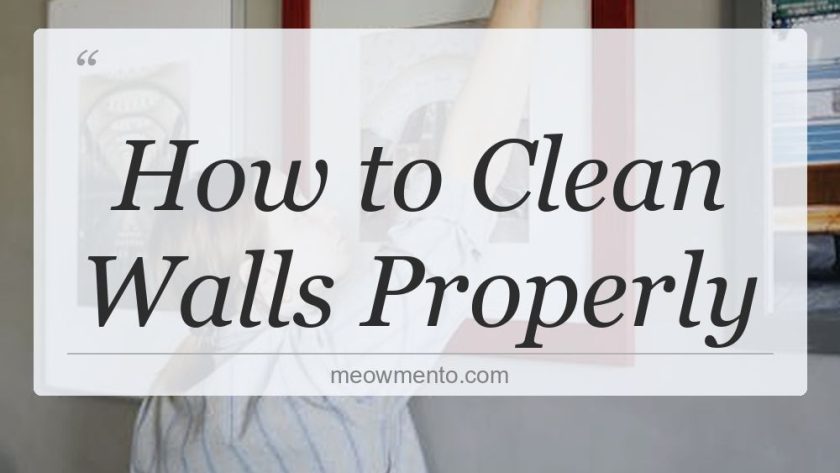
How To Clean Walls Properly
Learning how to clean walls properly is essential for maintaining a fresh, welcoming home. Dirty walls accumulate dust, fingerprints, and scuff marks over time, making even the cleanest rooms look dull. With the right technique and tools, you can restore your walls to their original brightness without damaging the paint or finish. This comprehensive guide will walk you through everything you need to know, from preparation to the final wipe-down. For more detailed strategies, check out our complete guide on How To Clean Walls.
Why Proper Wall Cleaning Matters
Walls are often overlooked during regular cleaning routines, but they silently collect dirt, grease, and grime from everyday activities. Cooking vapors, pet dander, dust, and hand oils gradually build up, creating a dingy appearance that affects your entire room’s atmosphere. Beyond aesthetics, dirty walls can harbor allergens and even mold in humid environments. Cleaning your walls properly extends the life of your paint, prevents permanent staining, and creates a healthier living environment. Using the wrong cleaning method can strip paint, leave streaks, or cause discoloration, which is why following proper techniques is crucial for maintaining your home’s appearance and value.
Tools & Materials You’ll Need
- Two buckets (one for cleaning solution, one for rinsing)
- Microfiber cloths or soft sponges
- Mild dish soap or wall cleaner
- Warm water
- Vacuum with soft brush attachment
- Step ladder or sturdy stool
- Dry towels for immediate drying
- Optional: Magic eraser for stubborn marks
Step-by-Step Instructions
Step 1: Prepare the Room
Move furniture away from walls and remove wall hangings, outlet covers, and switch plates. Lay down towels along baseboards to catch drips and protect flooring from water damage.
Step 2: Dust First
Use your vacuum’s soft brush attachment to remove loose dust, cobwebs, and debris from top to bottom. This prevents turning dry dirt into muddy streaks when you introduce moisture. Pay special attention to corners and crown molding.
Step 3: Test Your Cleaning Solution
Mix a few drops of mild dish soap into a bucket of warm water. Test this solution on an inconspicuous area first—behind a door or furniture—to ensure it won’t damage or discolor your paint finish.
Step 4: Wash from Top to Bottom
Dip your microfiber cloth or sponge into the cleaning solution and wring it out thoroughly—it should be damp, not soaking wet. Starting at the top of the wall, gently wash in circular motions, working your way down in manageable sections. This prevents dirty water from streaking down onto already-cleaned areas.
Step 5: Rinse Immediately
Using a separate cloth dampened with clean water from your second bucket, wipe away soap residue from each section before moving to the next. Soap left on walls can leave streaks or attract more dirt.
Step 6: Dry Promptly
Use dry towels to immediately pat down washed sections. This prevents water marks and reduces the risk of moisture seeping into drywall or causing paint to bubble.
Step 7: Address Stubborn Spots
For marks that remain after general cleaning, use a slightly dampened magic eraser with very gentle pressure. Test first, as these can remove paint if used too aggressively.
Natural and Simple Alternatives
If you prefer avoiding commercial cleaners, several household ingredients work beautifully. A solution of white vinegar and water (one part vinegar to three parts water) cuts through grease effectively while being gentle on paint. For flat or matte finishes, try a paste of baking soda and water applied gently with a soft cloth—excellent for spot-treating without harsh chemicals. Plain warm water often suffices for regular maintenance cleaning, especially for recently painted walls. These natural methods are budget-friendly, non-toxic, and safe for homes with children and pets while delivering impressive results without chemical odors.
Troubleshooting Common Problems
Streaks appearing after cleaning: This usually means too much soap was used or rinsing was inadequate. Go over streaky areas again with clean water and dry immediately. Paint coming off on cloth: Your paint may be low-quality or old. Use less water and gentler pressure, or consider repainting. Watermarks forming: You’re using too much water. Wring cloths more thoroughly and dry sections faster. Stubborn grease spots: Add a tiny bit more dish soap directly to your cloth for these specific areas, then rinse thoroughly. If marks persist despite proper cleaning, they may have penetrated the paint and require spot priming and repainting.
Prevention and Simple Maintenance Tips
Keep walls cleaner longer by dusting them monthly with a microfiber duster or vacuum attachment. Address spills, splatters, and marks immediately before they set—fresh stains wipe away easily with just a damp cloth. Use washable paint finishes like satin or semi-gloss in high-traffic areas such as kitchens, hallways, and children’s rooms. Place mats near entryways to reduce dirt transfer, and consider installing chair rails or bumpers in dining areas to prevent furniture marks. Regular light maintenance prevents the need for intensive deep cleaning sessions.
Keep Your Walls Looking Fresh
Now that you know how to clean walls properly, you can maintain a spotless home with confidence. Regular cleaning prevents buildup and keeps your paint looking newer for longer. Remember to always work gently, test solutions first, and dry thoroughly. With these techniques, your walls will stay fresh and vibrant for years to come.