Keeping your aquarium gravel clean is one of the easiest ways to maintain a clear, healthy-looking tank. If you want a simple, budget-friendly method, learning how to clean fish tank gravel with vinegar gives you a safe and effective option using ingredients you already have at home. This method also aligns well with the broader care principles in the Complete Guide to Cleaning and Maintaining Aquarium Substrates, helping you understand the why, the how, and the post-cleaning steps needed for long-term substrate maintenance.
Why Your Gravel Gets Dirty and Why It Matters
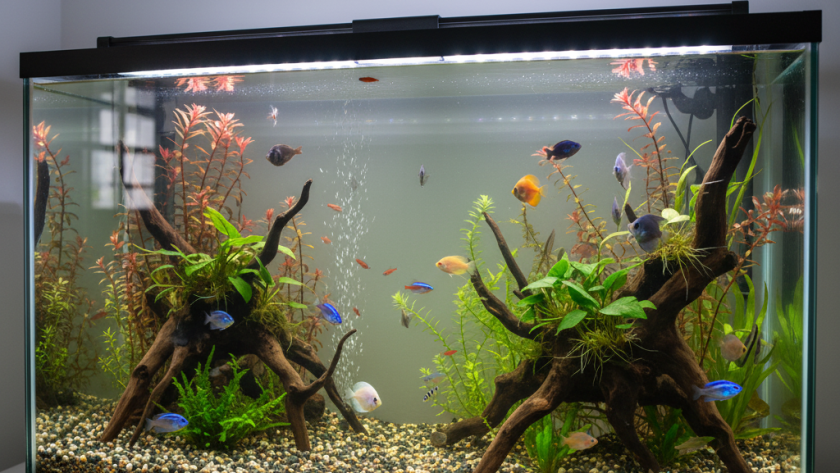
Fish tank gravel naturally collects uneaten food, fish waste, algae, and mineral deposits. Over time, these layers make the water appear cloudy and cause the gravel to look dull or discolored. Hard-water areas may also leave white, chalky residue that sticks to each pebble.
While it’s normal for gravel to get dirty, cleaning it helps your tank look brighter and reduces the buildup of unwanted smells. Vinegar works well because it dissolves mineral stains, loosens organic debris, and leaves no harmful residue once rinsed. It’s a gentle way to refresh the foundation of your aquarium without expensive specialized cleaners.
Tools & Materials
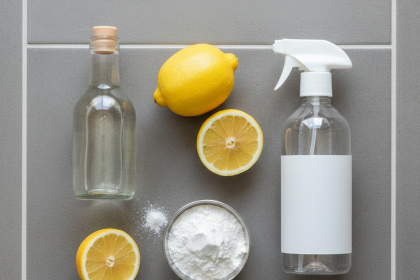
- White vinegar (distilled)
- Buckets or large bowls
- Old strainer or mesh colander
- Warm water
- Stirring spoon or gloved hands
- Towel or tray for drying
- Optional: dedicated gravel vacuum (for routine cleaning)
Step-by-Step Instructions
- Remove the gravel from the tank.
Scoop the gravel into a bucket using your hand or a cup. There’s no need to remove every grain, but take enough to clean the majority of the substrate. - Rinse thoroughly with warm water.
Pour the gravel into a colander and rinse until the water runs mostly clear. This removes loose dirt, food particles, and soft debris before you apply vinegar. - Prepare a vinegar soak.
Mix a solution of one part distilled white vinegar and one part warm water in a bucket. You need enough liquid to fully submerge the gravel. - Soak the gravel for 20–30 minutes.
Stir the gravel occasionally so the vinegar reaches all sides. The acid in the vinegar helps break down mineral buildup and stuck-on residue. - Check the gravel and repeat if needed.
If you see stubborn deposits, you can extend the soak or gently rub the gravel with your fingers or a spoon. Vinegar is mild enough that longer soaking won’t harm the stones. - Rinse very well with clean water.
This step is important for removing the vinegar smell. Place the gravel back in the colander and rinse until the vinegar scent disappears entirely. - Dry the gravel completely.
Spread the gravel on a towel or tray. Let it air dry for several hours. Drying prevents cloudy water when you return it to the tank. - Place the gravel back into the aquarium.
Once dry, gently return the gravel and smooth it out. Refill the tank with your usual water and let the filter run for a few minutes to settle any dust.
Natural and Simple Alternatives
If you want options besides vinegar, several simple solutions work well. Warm water rinsing alone removes most loose debris and is great for quick refreshes. Boiling water can help sanitize and loosen residue, though it requires careful handling and complete cooling before reintroducing the gravel.
You can also use baking soda paste on stubborn spots outside the tank; it’s mildly abrasive and lifts stains without harsh chemicals. For routine cleaning without removing gravel, a gravel vacuum helps pull debris from between the stones while leaving the substrate in place.
Troubleshooting
If the gravel still looks cloudy after soaking, it may have deeply embedded organic waste. A second vinegar soak or a longer rinse usually fixes this.
If your tank looks cloudy after putting the gravel back in, the dust is likely from tiny particles that weren’t rinsed off. Running the filter for a few hours should clear the water.
If the vinegar smell won’t go away, rinse under warm water for longer and spread the gravel to air out. Persistent odor simply means the pebbles need more time to dry.
Prevention and Simple Maintenance Tips
Rinse small sections of gravel during routine water changes so debris doesn’t build up over time. Feed your fish only what they finish within a few minutes to reduce leftover food settling into the substrate. Using a gravel vacuum once a week keeps the base of the tank fresh. Light stirring of the gravel with your fingers during maintenance also helps prevent compacted waste.
Closing
Using this simple method for how to clean fish tank gravel with vinegar keeps your aquarium bright without needing harsh products. A little routine maintenance goes a long way, and vinegar remains one of the easiest natural cleaners for sparkling, refreshed gravel.