How To Clean Wooden Kitchen Cabinets Without Removing Finish
Learning how to clean wooden kitchen cabinets without removing finish is essential for maintaining your kitchen’s beautiful appearance. Over time, grease, cooking residue, and fingerprints can accumulate on cabinet surfaces, making them look dull and dirty. The good news is that with the right gentle cleaning methods, you can restore your cabinets’ shine while protecting their original finish. This comprehensive guide will walk you through safe, effective techniques that leave your wooden cabinets looking refreshed without damaging the protective coating.
Why This Matters
Wooden kitchen cabinets are a significant investment in your home, and their finish serves as a protective barrier against moisture, stains, and wear. Using harsh chemicals or abrasive cleaning methods can strip away this finish, leaving the wood vulnerable to damage and requiring expensive refinishing work. Additionally, damaged finishes can expose the wood to warping, discoloration, and deterioration.
Understanding proper cleaning techniques helps preserve both the aesthetic appeal and structural integrity of your cabinets. Regular gentle cleaning prevents buildup that becomes harder to remove over time, extending the life of your cabinets and maintaining your home’s value. The finish also impacts how light reflects off the surface, so keeping it intact ensures your kitchen maintains its warm, polished appearance.
Tools & Materials You’ll Need
- Microfiber cloths (at least 3-4)
- Mild dish soap
- Warm water
- Two clean buckets or bowls
- White vinegar
- Spray bottle
- Soft-bristle toothbrush (for detailed areas)
- Olive oil or furniture polish (optional)
- Clean, dry towels
Step-by-Step Cleaning Instructions
Step 1: Remove Surface Dust and Debris
Start by wiping down all cabinet surfaces with a dry microfiber cloth to remove loose dust, crumbs, and cobwebs. Pay attention to the tops of upper cabinets and corners where dust accumulates. This prevents turning dust into muddy streaks during wet cleaning.
Step 2: Prepare Your Cleaning Solution
Fill one bucket with warm water and add just a few drops of mild dish soap—about one teaspoon per two cups of water. The solution should be very diluted; too much soap leaves residue that can dull the finish. Fill your second bucket with plain warm water for rinsing.
Step 3: Test in an Inconspicuous Area
Before cleaning visible surfaces, test your solution on a hidden spot, such as inside a cabinet door or on the back panel. Wait a few minutes to ensure it doesn’t damage or discolor the finish.
Step 4: Clean Cabinet Surfaces
Dip a microfiber cloth into your soapy water, then wring it out thoroughly—it should be damp, never dripping wet. Wipe cabinet doors and frames in the direction of the wood grain using gentle circular motions. Work in small sections, focusing on one or two doors at a time.
Step 5: Address Greasy Areas
For stubborn grease spots near the stove, use a mixture of equal parts white vinegar and water in a spray bottle. Lightly mist the area and immediately wipe with a damp cloth. The vinegar cuts through grease without harming most finishes.
Step 6: Rinse and Remove Soap Residue
Using a clean cloth dampened with plain water from your second bucket, wipe down all cleaned surfaces to remove any soap residue. This step is crucial for preventing buildup that can make cabinets look cloudy.
Step 7: Dry Thoroughly
Immediately dry all surfaces with a clean, soft towel. Never let water sit on wooden cabinets, as moisture can seep into seams and damage the finish or wood underneath.
Step 8: Polish (Optional)
For extra shine, apply a small amount of furniture polish or rub a tiny bit of olive oil onto a cloth and buff the cabinets gently. Use sparingly to avoid greasy buildup.
Natural Cleaning Alternatives
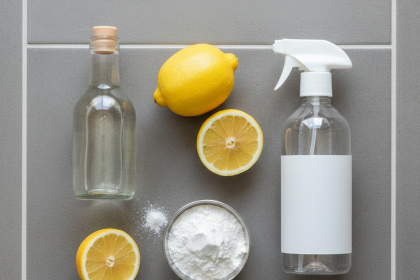
If you prefer avoiding commercial products, several natural alternatives work beautifully for cleaning wooden cabinets. A simple mixture of baking soda paste (three parts baking soda to one part water) gently removes stubborn spots without scratching—just apply with a soft cloth and rinse immediately.
Castile soap offers another excellent natural option, requiring just a few drops in warm water for effective cleaning. For regular maintenance, plain warm water with a microfiber cloth often suffices. You can also create a gentle polish using one part lemon juice mixed with two parts olive oil, which naturally cleans and conditions wood while leaving a pleasant scent. These methods align with the principles found in our guide on How To Clean Wood Cabinets.
Troubleshooting Common Issues
Sticky residue remaining after cleaning: This usually indicates soap buildup. Re-wipe the area with a cloth dampened in plain water or a very diluted vinegar solution, then dry thoroughly. Future cleanings should use less soap.
White cloudy spots appearing: These water marks occur when moisture penetrates the finish. Gently buff the area with a dry cloth and a tiny amount of mayonnaise or non-gel toothpaste, working with the grain. Wipe clean and dry immediately.
Finish looking dull after cleaning: Over-wetting or soap residue causes this problem. Always use minimal moisture and rinse properly. Restore shine by buffing with a specialized wood polish designed for finished cabinets.
Prevention & Maintenance Tips
Preventing buildup is easier than deep cleaning. Wipe spills immediately before they have time to set or penetrate the finish. Install a quality range hood to minimize grease dispersion throughout your kitchen.
Perform quick weekly wipe-downs with a damp microfiber cloth on high-traffic areas like handles and doors near the stove. This prevents grease and grime from accumulating. Keep cabinets away from direct heat sources, and use exhaust fans when cooking to reduce moisture exposure. These simple habits significantly reduce how often deep cleaning becomes necessary.
Keep Your Cabinets Looking Beautiful
Now that you know how to clean wooden kitchen cabinets without removing finish, you can maintain your kitchen’s beauty with confidence. Regular gentle cleaning using these methods protects your investment while keeping your space looking fresh and inviting. With proper care, your wooden cabinets will retain their gorgeous finish for many years to come.